 Many Americans struggle with debt. Especially now, as recent reports show that more people are falling behind on their personal loans and credit cards. It’s not just low-income families, but higher earners are having trouble too.
According to the Federal Reserve Bank of New York, about 4.8% of household debt is now late. That is the highest level since 2017. Auto repossessions in the 4th quarter of 2025 were reported at over 800,000 vehicles—nearing a 15 year high—with over 3 million repossessions in 2025.
Debt Is Growing — Even for Middle-Income Families
 Nonprofit credit counseling agencies say they are seeing more people from various income brackets asking for help. In fact, many agencies reported a big jump in new clients in 2025.
Before the pandemic, the average person seeking credit counseling made about $40,000 a year and had around $10,000 in unsecured debt, such as credit cards or personal loans. Today, financial stress is spreading beyond low-income households. The average person making about $70,000 a year carries nearly $35,000 in unsecured debt That’s about half of their yearly income.
What Is “Survival Debt”?
 Experts say people are shifting from “extra spending” debt to “survival debt.” This means many families borrow money by using high-interest credit cards or loans to pay for basic needs such as groceries, gas, utility bills, and rent or mortgages. Although credit may act as a lifeline to prevent hunger or homelessness, it often leads to a cycle of only making minimum payments, which ultimately keeps the consumer in debt.
Mortgage and Credit Card Problems Are Rising
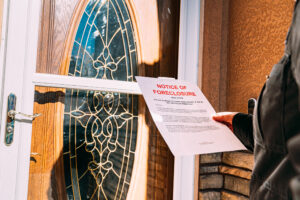 Falling behind on credit cards, auto loans and mortgages have become more common. For example, about 13% of people with FHA home loans show an increase in making late or missed payments. These loans, often used by first-time homebuyers, may result in mortgage foreclosures.
Why the Numbers May Look Better Than They Are
 Some people enroll with credit counseling agencies to assist with management of debt. The agencies help with financial education, budgeting and payment plans to oversee regular payments to accounts. The advantage is that these plans may combine several obligations into one monthly payment, and offer a lower interest rate. As well, the credit bureaus may list the accounts as “current” while minimum payments are made, instead of listing late or missed payments.
What This Means for You
 Conflicts about money and finances can be destructive to relationships. When savings are gone and safety nets for emergencies are lost, pressure intensifies for couples with every bill that comes to the house.
Seek Help from Qualified Consumer Lawyers
 If you are struggling with debt and have begun to receive collection calls, have issues with inaccurate information on your credit report, or are worried about a possible repossession of your car, you have legal rights. Contact Flitter Milz for a no-cost consultation.
Toll Free: 888-668-1225 or Email: consumers@consumerslaw.com
Sourced – Americans With Higher Incomes Are Starting to Fall Behind on Payments, Wall Street Journal, February 12, 2026, Imani Moise.