
 Is Your Credit Score Getting in the Way?
Building or repairing your credit isn’t easy. Whether you’re starting from scratch or trying to recover after financial setbacks, staying on top of your finances can feel overwhelming.
As well, relying too heavily on credit can create its own problems. Not paying cash up front, make it easy to spend more than you can afford. Before long, monthly payments can pile up and become difficult to meet.
How to Start Building Your Credit
 If you don’t have an established credit history—or you’re trying to rebuild after financial difficulties—you may need to seek some help.
Option One
One option is a secured credit card. These cards require a deposit, which typically becomes your credit limit. Because the lender has less risk, they’re often easier to obtain. Unlike debit or prepaid cards, secured credit cards require monthly payments. To get the full benefit, make sure the company reports your payment history to the credit bureaus so your positive activity helps improve your credit.
Option 2
Another option is becoming an authorized user on someone else’s credit card account. In this arrangement, the primary cardholder adds you to their account. You’ll receive a card, and the account may appear on your credit report. If the account is managed responsibly, it can help you build a positive credit history. Of course, this works best when the primary user consistently pays on time.
The key in both situations is developing consistent habits—especially paying what you owe on time.
Check Your Credit Reports Regularly
 Consumers are entitled to a free credit report from each of the three major credit bureaus—Equifax, Experian, and TransUnion—every week. Reviewing your reports allows you to spot mistakes or unfamiliar accounts. Use annualcreditreport.com to access your free credit reports.
Hard Inquiry v. Soft Inquiry: What’s the Difference?
Accessing your own report would be a “soft inquiry” and does not damage your credit score at all. On the other hand, your score can drop by a few points if you have a “hard inquiry”—which can occur when your credit report is accessed by a creditor. This can happen when you apply for credit, but it can also happen illegally—when a creditor pulls your credit report without your permission.
 Send a written dispute if you notice inaccurate information or an impermissible hard inquiry. Correcting errors can make a meaningful increase to your credit score.
Seek Legal Help from Qualified Consumer Lawyers
 Flitter Milz is a nationally recognized consumer protection law firm representing individuals facing credit reporting errors and credit privacy violations.
Your consumer credit reports (and other consumer reports) are to be kept private under federal law. If there is a lingering inaccuracy on your credit report(s), or if you believe someone has accessed your credit report without legal authorization, contact us for a no cost consultation at: Phone: 888-668-1225 Email: consumers@ConsumersLaw.com
 Federal court in Philadelphia rules TransUnion must go to trial
 Flitter Milz attorneys are nationally recognized consumer protection lawyers with the experience to evaluate your credit reporting problems.
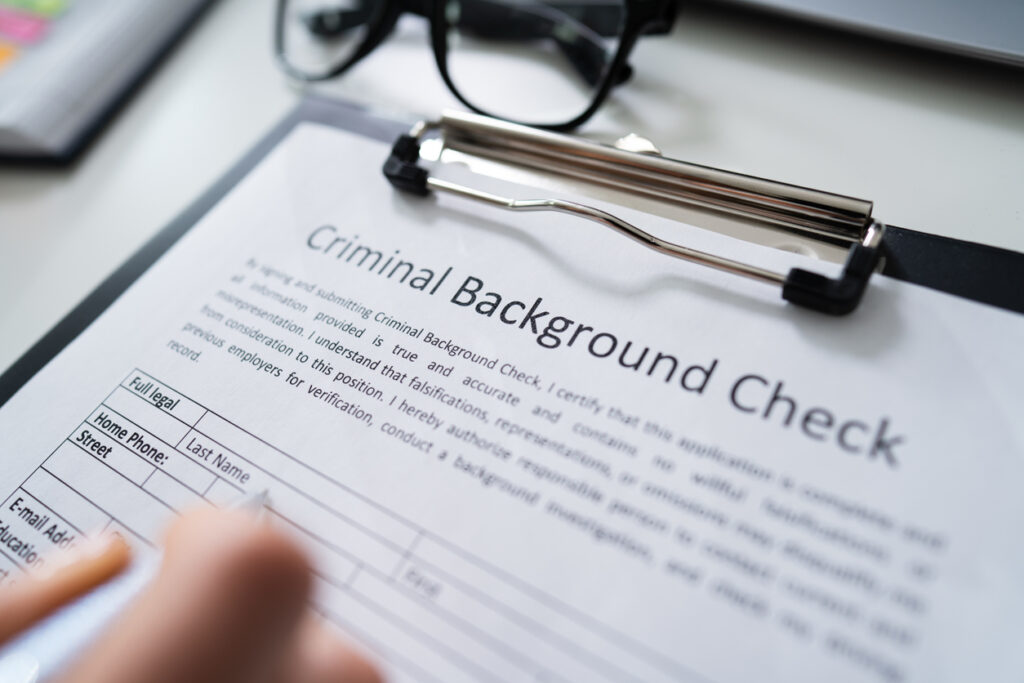 All it takes is someone with the same or similar name, birthdate, address, or other matching identifying information to have a stranger’s record inaccurately mixed with yours. Their DUI, their theft conviction, or their sex offence can then show up on YOUR report. It’s no surprise then that bad background checks for employment, rent, or security clearance can ruin someone’s livelihood and reputation in an instant.
 The Consumer Financial Protection Bureau (CFPB) recently published an advisory warning that
  More than 90% of prospective employers, landlords, insurance companies and banks use background check data as part of their application process. These companies must have a legally permissible purpose to obtain a copy of a consumer’s background report when evaluating the consumer for credit, insurance, housing, or employment decisions. The consumer is entitled to a copy of the background check report used to evaluate his or her application.
 Background reports include information such as, employment history, credit information and legal problems. In some cases, social media accounts may show up. The more data listed in a background check could mean a greater possibility for error. As a result, the consumer could be denied a job, housing, insurance or credit. Just one error on a background report can cause significant harm. Procedures for maintaining and dispensing accurate information are critical. Background reports must ensure proper identification of the applicant, plus accurate data related to the applicant. Disclaimers by background reporting companies do not cure permissible violations. Instead, they could violate a person’s privacy, which is strictly prohibited under the FCRA.
 When a background check is required, the prospective employer or landlord must obtain written permission from the applicant to request a report. A Disclosure Notice and Authorization form must be filled out and signed by the applicant, then submitted to the background check company. Most authorization forms require the applicant’s full name, date of birth, social security number, current zip code, phone number and email address. Screening for some types of employment may require additional information, such as motor vehicle reports, employment verifications or international criminal checks.
 The attorneys at Flitter Milz have extensive experience dealing with violations of the Fair Credit Reporting Act. If a background checking company fails to correct information on your report, and you’ve suffer the loss of a job, rental, or other damages, you may be able to sue the company for money – and your legal fees will be paid by that violating reporting bureau.
  Credit reports must be kept accurate.
 The website, annualcreditreport.com, is the quickest way to access reports. By writing to the three main credit bureaus – Transunion, Experian and Equifax — to
  After reviewing your credit report for accuracy, if there are errors listed you may need to write to the lender, creditor, collection agency or other type of data furnisher to request updated information on your account. Obtaining verification of your account status from these companies can provide useful evidence when your dispute is investigated by the credit bureau and evaluated for accuracy.
 Although the credit bureaus accept disputes online and by phone, consumers must be cautious. These methods of disputing could present problems.
 Dispute letters should be sent to the credit bureaus by Certified Mail, Return Receipt. Be sure to keep a copy of the dispute letter and all supporting documents enclosed with your letter, along with all mailing receipts from the post office.
 The Fair Credit Reporting Act
  Flitter Milz is a consumer protection law firm that addresses accuracy and privacy violations of the Fair Credit Reporting Act. If there are uncorrected errors on a consumer’s credit reports, the consumer’s legal rights may have been violated. The attorneys at Flitter Milz evaluate consumer’s credit reports for errors and identify steps to correct them. If a consumer’s credit has been damaged, there could be a violation of the law.
  Consumer credit is when credit is advanced to a consumer for the purchase of personal or household goods or services. The system for extension of credit allows consumers to borrow money, or incur debt, and to defer repayment of that money over time.
 Having
  Consumers may explore options to finance the purchase by contacting banks, credit unions and financial institutions. The terms for borrowing money may vary from one lender to another. After submission of a credit application, lenders take steps to evaluate the borrower’s creditworthiness. Typically, a credit application triggers a
  Borrowers must be prepared for the lender to approve or
  A credit reference is one of the methods lenders and service providers use to determine a borrower’s creditworthiness. Credit references can include your bank, previous landlords, employers, or companies whose bills you’ve paid regularly. Depending on the type of application, it is best to submit the best reference for the situation. Typically, this person or company would improve the borrower’s chances for approval for the type of loan that is sought.
 In online complaints, Titan Solar has been accused of engaging in predatory marketing and of misrepresenting facts. Sometimes, Titan Solar is accused of not informing the customer that installation is conditioned upon agreeing to a decades-long loan or power purchase agreement, and the contract might be hidden from the consumer. Titan Solar’s finance company partner may also pull your
  some other legitimate business purpose for pulling your credit. Often, during the process of applying for new credit or utilities, or interviewing with a prospective employer or landlord, there may be a request to access the consumer’s credit file. The consumer must provide written permission for his or her credit file to be accessed.
 Lenders evaluate the number of hard inquiries that appear on a consumer’s credit reports during the credit application review process. Although hard inquiries represent one factor in the calculation of credit scores, too many hard inquiries in a short time could impact scores negatively and jeopardize the approval of a new credit application.
 The three main national credit bureaus — Trans Union, Equifax, and Experian — have agreed to make changes in the reporting of medical debt. As of July 1, 2022, settled medical debt that would normally remain on credit reports for up to 7 1/2 years should come off the report. As a result, consumers may see an increase in their credit score, a benefit which can open doors to borrowing at more favorable rates for housing, loans and credit cards.
 Let’s face it. Most medical debt is incurred unexpectedly. Patients visit doctors or seek medical treatment because they are sick or have had an injury. Due to the high cost of healthcare, many Americans have difficulty paying expensive medical bills to hospitals, physicians, labs and other medical providers.
 Unfortunately, unpaid medical debt may be forwarded to a collection agency or law firm collector. Once in collection, negative tradelines appear on credit reports and credit scores may drop. Consumers then begin to feel the effects of a negative credit rating.
 Attorney Andy Milz states, “Here at Flitter Milz, PC, we strongly believe medical debt should not be reported at all. Unlike a mortgage, credit card, or car loan, medical debt does not represent a financial choice, but is often a result of an emergency or hardship. And, even for the majority of consumers with some form of health insurance, getting the insurance company to pay the bill in its entirety is always a challenge. Inability to pay medical debts should not weigh down a person’s creditworthiness. Unfortunately, until now, health care providers, medical debt collectors, and the credit bureaus have been allowed to report this negative information.”
 Read more below:
 There are a variety of reasons why credit files get mixed. With the amount of information handled by creditors and the credit bureaus, mistakes are bound to happen. For example, information from an application may be keyed into a file incorrectly. Digits on a social security number may be transposed, or a name misspelled from an application. Those errors can pass from the original creditor through to the credit bureau. Or, the credit bureau mistakenly may combine credit files of two or more different consumers into one file. Unfortunately, the errors may not be discovered until the consumer reviews his or her report…usually after applying for new credit.
 If you believe someone else’s information has been mixed with or merged onto your credit file, a
  The reporting bureau has 30 days to respond to your written dispute. If errors are not corrected, you may need to send a second dispute to that bureau, and possibly provide additional documentation. Or, you may need to write to the underlying creditor, explain the problem and request corrected information be sent to the reporting bureau.
 The
The  Understand credit scores and credit reports
 What is a credit score?
 credit and obtain copies of his or her credit reports and credit scores.
 Transunion, Experian and Equifax are the three main credit reporting bureaus. These bureaus provide credit reports which list specific information about a consumer’s credit activity and payment history. Lenders use these reports to help determine whether to extend credit or not. As well, other businesses such as insurance companies and utilities, or prospective employers and landlords, may request access to a consumer’s report for use in making decisions about you.
  Do you have errors on your credit reports? Problems getting credit?
 The hard facts about Repossession.
 When the borrower
  Send Effective Disputes