
 If your car has been repossessed, there are important steps for the borrower to take. Acting quickly can help you protect your rights as a consumer. As well, it can assist in finding the location of the vehicle and present options to get it back.
1. Contact your lender first.
 The lender is the financial institution that ordered the repossession, so they should be able to tell you right away if your car was taken and which repossession company has the car. In most cases, this is the fastest way to learn where your car is and how much money you might have to pay to get it back.
2. Contact the Local Police Department
 You can also contact your local police department. Because most people assume their car was stolen when it’s not where they left it, repo companies usually report repossessions to the police, so the police may have a record of the event. This can help confirm that your car was not stolen and was instead repossessed.
3. Request Details from the Lender
 Once repossession is confirmed, ask your lender for specific details. You should request the name of the repossession company, the address where the vehicle is being stored, and a phone number for the storage location.
Repossessed vehicles are usually taken to a storage lot or impound yard and held there until the lender decides to sell the vehicle at a private sale or auction.
It is important to gather this information as soon as possible. Delays can make it harder to take action and may result in additional fees being added to the amount of money required to get your vehicle back.
4. How to Retrieve Personal Property
 Even after repossession, your personal property inside the vehicle still belongs to you. In most states, the repossession company must allow you to recover your personal items for at least thirty days after the repo. Make sure to retrieve your property within that time so you don’t risk losing it.
5. Must I sign a release at the repo lot?
 When you go to pick up your car, the repo company may try to have you sign a “release.” A release is a contract where you would waive legal claims against the repo company in exchange for getting your car back. Do not sign one if possible. If the repo company requires you to sign a release, read it carefully and only agree to release claims related to damage to the car. If your car has been damaged in the repossession, do not sign a document saying your car is in good condition—or else you could be waiving your legal rights.
6. Repossession Notices
The lender is required to send the borrower a written notice after the repossession. This notice, frequently called a Notice of Intent to Sell Property, will include important information about your vehicle and your account. It should tell you where the car is being held, how much you owe, and whether the lender plans to sell the vehicle. It may also include a date by which action must be taken before the car is sold. In some cases, you may be able to get your car back by making the past due payments plus expenses of the repossession. But in many cases, the lender can require you to pay off the full loan balance. This depends on your contract terms and what state you are in. Review this notice carefully. It provides key details about your rights and the next steps available to you.
7. Repo Agents must follow the law
It is also important to understand that repossession agents must follow the law. They are not allowed to use force, threaten you, damage the vehicle, or break into locked property—such as a garage, to repossess the vehicle. If a repossession involves this type of conduct, it may be considered unlawful.
Seek Qualified Legal Help
 Do you believe the repossession of your vehicle was handled improperly? You may have legal rights and should consider speaking with us. Because time is a factor, you should act quickly after learning that your car has been repossessed. Storage charges from the repo lot can increase over time. If the borrower does not take any action, the lender may sell the vehicle at a private sale or auction. After a sale, the lender will send a letter to the borrower which states any deficient balance owed to satisfy the loan.
Flitter Milz has represented consumers who have had a vehicle repossessed. Contact Us for a no-cost consultation. In most cases, if your consumer rights have been violated, there is no fee until we recover for you.
Toll Free: 888-668-1225 Email: consumers@consumerslaw.com
 Many Americans struggle with debt. Especially now, as recent reports show that more people are falling behind on their personal loans and credit cards. It’s not just low-income families, but higher earners are having trouble too.
 Nonprofit credit counseling agencies say they are seeing more people from various income brackets asking for help. In fact, many agencies reported a big jump in new clients in 2025.
 Experts say people are shifting from “extra spending” debt to “survival debt.” This means many families borrow money by using high-interest credit cards or loans to pay for basic needs such as groceries, gas, utility bills, and rent or mortgages. Although credit may act as a lifeline to prevent hunger or homelessness, it often leads to a cycle of only making minimum payments, which ultimately keeps the consumer in debt.
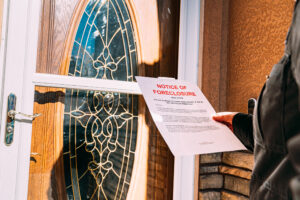 Falling behind on credit cards, auto loans and mortgages have become more common. For example, about 13% of people with FHA home loans show an increase in making late or missed payments. These loans, often used by first-time homebuyers, may result in mortgage foreclosures.
 Some people enroll with credit counseling agencies to assist with management of debt. The agencies help with financial education, budgeting and payment plans to oversee regular payments to accounts. The advantage is that these plans may combine several obligations into one monthly payment, and offer a lower interest rate. As well, the credit bureaus may list the accounts as “current” while minimum payments are made, instead of listing late or missed payments.
 Conflicts about money and finances can be destructive to relationships. When savings are gone and safety nets for emergencies are lost, pressure intensifies for couples with every bill that comes to the house.
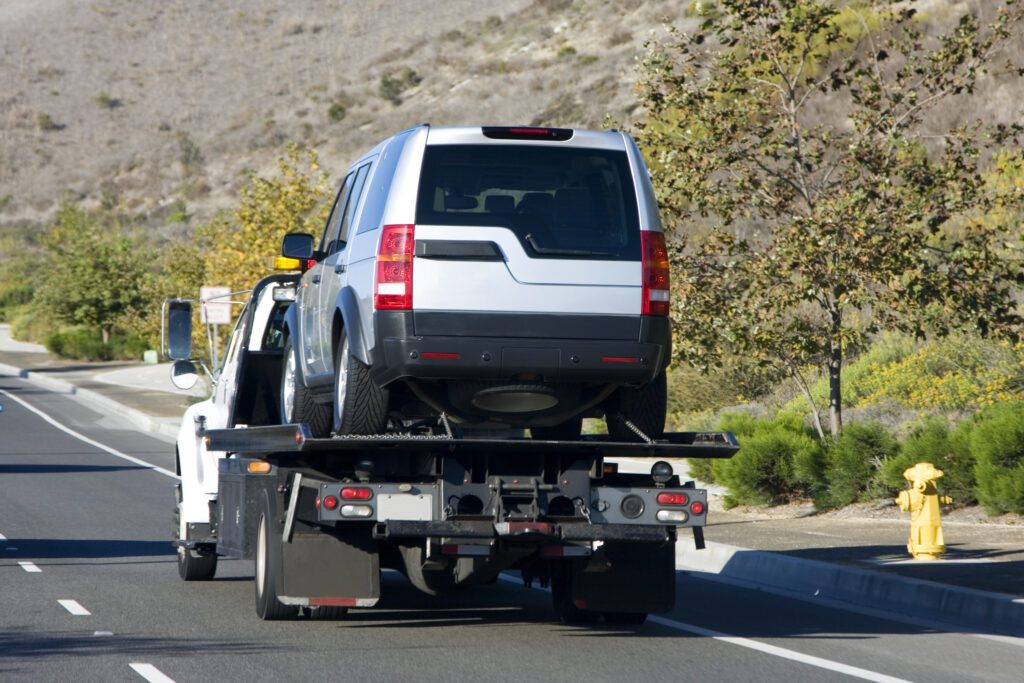 Car repossessions are increasing across the United States. A repossession can happen when a borrower does not satisfy the terms of their loan. The numbers are rising quickly. In 2025, there were approximately 3 million vehicle repossessions across the country. We have not seen levels this high since the Great Recession of 2008 – 2009.
 The cost of purchasing a car is higher than ever. Last year, the average price of a new car was more than $50,000, and used cars about $26,000. It has been reported that the average monthly payment for a new car is about $749, where a used car is about $529.
 1) Gather all documents from the sale
 CARS TRUCKS MOTORCYCLES BOATS RVs
 Did the repo agent act abusively or damage property?
 Did the police come and assist the repo agent with the repossession?
 Did you receive proper notices from your lender after the repossession?
 Was your vehicle repossessed within the past six years?
 Collection of the deficient balance owed on your auto loan?
 Did the lender file a lawsuit to collect the deficient balance?
 Flitter Milz attorneys know repossession law and can protect borrowers from illegal tactics used by banks, credit unions and financial institutions. We represent consumers in cases without filing bankruptcy.
 NPLS will direct the cy pres funds to continue their work in assisting disadvantaged consumers in Northeastern Pennsylvania.


 The lender may attempt to collect the deficient balance from the borrower or assign the collection to an agency or collection law firm. If the debt is not collected, the lender may choose to file a lawsuit against the borrower.
 Judgments are dangerous. The lender attempt collection of the judgment through bank attachment, seizure of property, or in many states, wage garnishment.
 You might need to consider getting someone to cosign an auto loan if you are unable to qualify for the credit. Frequently, poor credit or lack of credit history, lack of income, or being able to make a down payment are reasons that a lender would require the borrower to get a cosigner. But co-signing holds a lot of responsibility…even if you’re doing it for a family member or close friend.
 The co-signer’s good name and credit history provide additional assurance to the lender that the terms of the loan agreement will be honored with payments being made in full and on time.
 Both the co-signer and primary borrower hold equal responsibility for the signed auto loan. When payments are late or missed, the lender has the right to repossess the vehicle. Credit reports for both the borrower and co-signer will list a negative payment history and the repossession.
 The lender may contact the co-signer, and/or the primary borrower, after a vehicle has been repossessed. The bank, credit union or financial institution will look to the co-signer to bring the account current or satisfy the loan in full. Credit scores may drop as a result and impact existing credit, or make it difficult to obtain new credit for both the borrower and co-signer.
 However, there is a complicated intersection between auto finance law and bankruptcy. Before taking any action, borrowers must understand the implications of bankruptcy and be able to determine the most prudent steps to take before and after a vehicle has been repossessed. In general, merely having your car or truck repossessed is not enough to warrant filing for bankruptcy. Let’s try to simplify it.
 If your car was already repossessed, you have other rights as a consumer borrower, separate from any bankruptcy proceeding. Bankruptcy is only one tool or avenue if your car or truck has been repossessed – and it might, or might not, be right for your specific situation. Consult with an experienced consumer lawyer to understand your options outside of a bankruptcy.
 If you’re concerned that the lender my repossess your vehicle, or perhaps thinking of filing bankruptcy to get your car back after repossession,
  Lenders are not required to notify the borrower in advance of an auto repossession. However, after a vehicle has been taken, the lender must send a letter to the borrower outlining terms to get the vehicle back — whether the lender is a bank, such as Well Fargo or Bank of America, a credit union, such as Pennsylvania State Employees Credit Union or Erie Federal Credit Union, or a financial institution such as Driveway Finance or PA Auto Credit. The repossession letter, often called a
  After the lender has made the decision to repossess a vehicle, arrangements are made with a repo agent who will locate the vehicle and take it, often without warning. In advance of the repossession, the repo agent must inform the local police department of their intent to seize the vehicle. The repo agent may come with a tow truck to the borrower’s home or place of employment. Or, they may track the vehicle
  finding it at another location, such as at a shopping mall, doctor’s office, or the address of a family member or friend. Sometimes at the time of purchase, the dealership may have installed a GPS tracking device or a remote control car disabler. The repo agent may use these devices to track vehicles that have been assigned for repossession.
 In Pennsylvania, a repossession agent has to be licensed with the Department of Banking and Securities of the Commonwealth and may be hired by a bank, credit union or finance company to repossess cars, trucks motorcycles, RVs, powersport vehicles, boats or airplanes. If a vehicle is missing, the borrower should make calls to the local police and the lender to confirm it was not stolen.
 Flitter Milz has the expertise in representing borrowers whose vehicles have been wrongfully repossessed by banks, credit unions and financial companies.