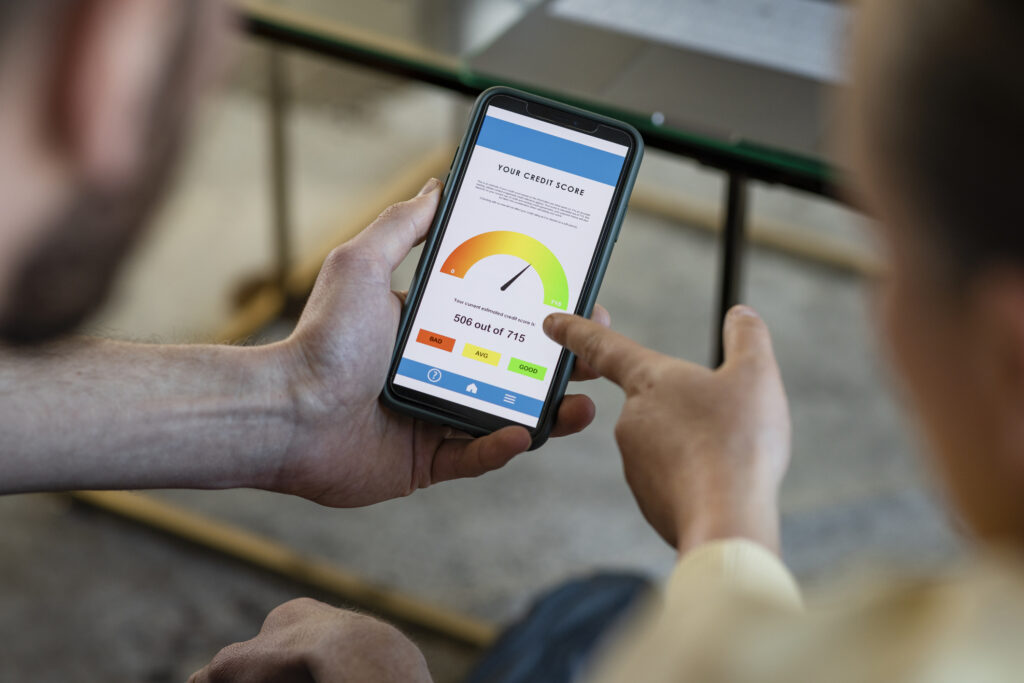
 Is Your Credit Score Getting in the Way?
Building or repairing your credit isn’t easy. Whether you’re starting from scratch or trying to recover after financial setbacks, staying on top of your finances can feel overwhelming.
As well, relying too heavily on credit can create its own problems. Not paying cash up front, make it easy to spend more than you can afford. Before long, monthly payments can pile up and become difficult to meet.
How to Start Building Your Credit
 If you don’t have an established credit history—or you’re trying to rebuild after financial difficulties—you may need to seek some help.
Option One
One option is a secured credit card. These cards require a deposit, which typically becomes your credit limit. Because the lender has less risk, they’re often easier to obtain. Unlike debit or prepaid cards, secured credit cards require monthly payments. To get the full benefit, make sure the company reports your payment history to the credit bureaus so your positive activity helps improve your credit.
Option 2
Another option is becoming an authorized user on someone else’s credit card account. In this arrangement, the primary cardholder adds you to their account. You’ll receive a card, and the account may appear on your credit report. If the account is managed responsibly, it can help you build a positive credit history. Of course, this works best when the primary user consistently pays on time.
The key in both situations is developing consistent habits—especially paying what you owe on time.
Check Your Credit Reports Regularly
 Consumers are entitled to a free credit report from each of the three major credit bureaus—Equifax, Experian, and TransUnion—every week. Reviewing your reports allows you to spot mistakes or unfamiliar accounts. Use annualcreditreport.com to access your free credit reports.
Hard Inquiry v. Soft Inquiry: What’s the Difference?
Accessing your own report would be a “soft inquiry” and does not damage your credit score at all. On the other hand, your score can drop by a few points if you have a “hard inquiry”—which can occur when your credit report is accessed by a creditor. This can happen when you apply for credit, but it can also happen illegally—when a creditor pulls your credit report without your permission.
 Send a written dispute if you notice inaccurate information or an impermissible hard inquiry. Correcting errors can make a meaningful increase to your credit score.
Seek Legal Help from Qualified Consumer Lawyers
 Flitter Milz is a nationally recognized consumer protection law firm representing individuals facing credit reporting errors and credit privacy violations.
Your consumer credit reports (and other consumer reports) are to be kept private under federal law. If there is a lingering inaccuracy on your credit report(s), or if you believe someone has accessed your credit report without legal authorization, contact us for a no cost consultation at: Phone: 888-668-1225 Email: consumers@ConsumersLaw.com