
 If your phone rings with spam calls or unwanted text messages, you are not alone. Some calls are just a nuisance. Others may feel like harassment. These calls, commonly referred to as robocalls, are not only stressful and but possibly a violation to your consumer rights.
What is a robocall?
 Robocalls are automated calls used by a computerized auto dialer to deliver a pre-recorded or artificial voice message. Sometimes the call may come from a live person. While some calls or texts, like appointment reminders, are legal with consent, most unsolicited sales robocalls are illegal.
Federal Law: Telephone Consumer Protection Act (TCPA)
The TCPA limits how companies can call and text you. The law focuses on robocalls, which often are calls that use a recorded or automated voice. It also applies when companies use automatic dialing systems to send out large numbers of calls or texts at once—even if there is a live person calling you.
 Whether calls come from telemarketers, debt collectors, or even well-known businesses, if they break the law, they can be held responsible. The TCPA authorizes penalties of $500 to $1500 for each illegal call or text.
Consumers must provide consent for Robocalls
 In most cases, companies must obtain your express prior consent, or have an established business relationship, to make automated communications with you. If you did not provide permission to receive these types of calls, they are not allowed to call or text you. If you have informed the company to stop contacting you, they are to stop calling or texting. If they continue contact, there may be a violation of your consumer rights.
Important Steps to Take
If you are getting unwanted calls or texts, take the following steps:
1) Tell the caller to stop contacting you.
2) Save text messages or take screenshots of all contact.
3) Create a log of all contact showing dates, time of day, name of caller, etc.
4) Write to the caller and request their contact with you stop.
5) Do not share personal information with unknown callers.
Seek Qualified Legal Help
 Flitter Milz will evaluate robocalls that have been placed to you. We will review the steps you’ve taken to get the calls to stop and determine how to hold the caller accountable.
CONTACT US:
Toll Free: 888-668-1225
Email: consumers@consumerslaw.com
 Car repossessions are increasing across the United States. A repossession can happen when a borrower does not satisfy the terms of their loan. The numbers are rising quickly. In 2025, there were approximately 3 million vehicle repossessions across the country. We have not seen levels this high since the Great Recession of 2008 – 2009.
 The cost of purchasing a car is higher than ever. Last year, the average price of a new car was more than $50,000, and used cars about $26,000. It has been reported that the average monthly payment for a new car is about $749, where a used car is about $529.
 1) Gather all documents from the sale
 Electronic payments are part of everyday life. Using a debit card, withdrawing cash from an ATM, paying bills automatically, sending money through a payment app, or receiving your direct deposit all involve moving money electronically into or out your bank account. These payments transact very quickly and often without a paper record. Correcting the errors can be very challenging and time consuming.
 Legally, an “electronic transfer” is considered one where money is moved between accounts using computer-based systems that rely on secure networks to send electronic instructions between financial institutions. Transactions initiated by check or telephone are not considered electronic transfers.
 An “unauthorized” electronic payment is one that was not approved, not expected, and where no benefit was received by the consumer. Often this occurs when a debit card is stolen, account information is compromised, or someone gains access to online banking accounts without the consumer’s knowledge.
 Consumers must review bank statements regularly for accuracy and evaluate whether any listed transactions are erroneous. If a transaction was made without permission, there are two questions: Who is responsible for the error? Should the bank return the funds, or is the consumer left responsible for the loss?
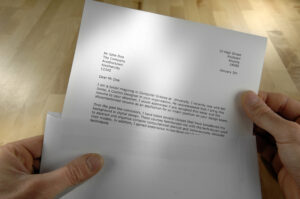 Once the bank receives the written dispute, they may provisionally credit your account for the amount of the erroneous transfer. However, they will follow procedures for investigation of the issue. A determination will be made of whether the transaction was actually approved by you. A written reply will be sent identifying the next actions.
 This can cause immediate problems such as bounced checks or missed payments—especially for accounts that are set up with automatic or scheduled payments such as rent, mortgage, or other bills. As well, charges for everyday expenses like groceries or gas, may be rejected as the actual amount of cash available is lower than expected.
 Credit cards work differently. Charges made to a credit card are paid or “advanced” by the credit card company. The consumer receives a statement at the end of the billing period and reviews all listed charges for accuracy.
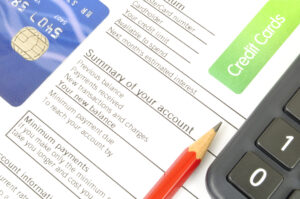 Unauthorized charges are when funds are transferred to an account, or charged to an account, by someone other than yourself, without your permission, and without any benefit to you.
 All dispute correspondence should be sent by a traceable means, such as Certified Mail – Return Receipt, so that you know when your letter was received.
 Electronic signatures—or e-signatures—are everywhere. We click “Agree” or type our name on a device to open bank accounts, purchase vehicles, rent apartments, or accept online terms. Before you sign electronically, here’s what to know.
 1. The option to receive paper copies
 The key is intent—you must intend to sign the electronic contract that your signature is applied to. But some companies may forge or copy and paste e-signatures to contracts that were never approved by the consumer. Forging an e-signature is illegal, just like forging a signature in ink on paper.
 While e-signatures are legal on many documents, some notices, such as those listed below, are required to be delivered in paper form and signed in ink. This is to insure that the person is fully informed and in agreement with the document.
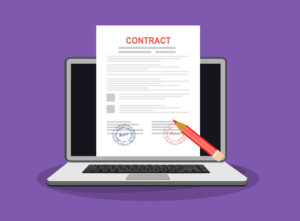 E-signatures are legally valid in most places, which means they carry the same weight as a handwritten signature. The problem is that many e-signature platforms don’t do much to confirm someone’s identity before they sign. If a crooked salesman gets into your email or other online accounts, they may be able to sign contracts in your name without you knowing. Unlike a physical signature, there’s no handwriting to compare, so proving you didn’t sign can be very difficult.
 With handwritten signatures, experts can look for clues—like pen pressure, writing style, and unique letter shapes—to spot a forgery. But with e-signatures, there’s nothing physical to examine. Many systems let you “draw” a signature with a mouse or finger, but a scammer can copy yours from another document or even generate one that looks close enough.
 When signing electronically, we recommend that you add the date immediately next to your signature. For example, this might look like “John Doe 8/15/2025.” Even if there is a separate space or line for the date, you reduce the risk of loss from a stolen signature by placing the date immediately next to your signature every time.
 CARS TRUCKS MOTORCYCLES BOATS RVs
 Did the repo agent act abusively or damage property?
 Did the police come and assist the repo agent with the repossession?
 Did you receive proper notices from your lender after the repossession?
 Was your vehicle repossessed within the past six years?
 Collection of the deficient balance owed on your auto loan?
 Did the lender file a lawsuit to collect the deficient balance?
 Flitter Milz attorneys know repossession law and can protect borrowers from illegal tactics used by banks, credit unions and financial institutions. We represent consumers in cases without filing bankruptcy.
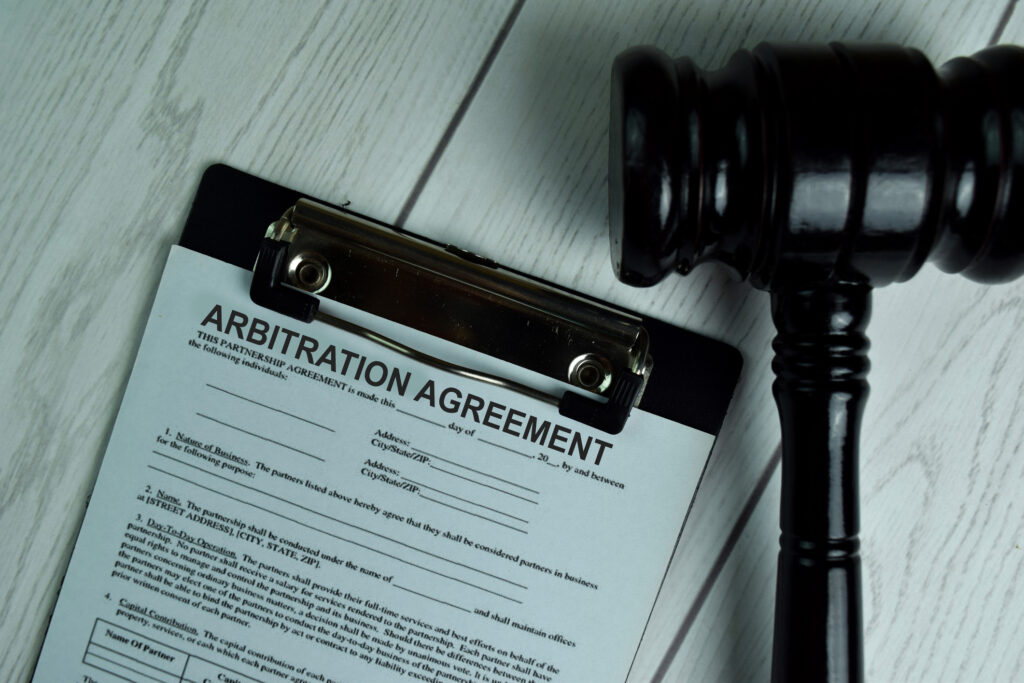
 Many consumer-facing companies have trended towards including an arbitration clause in their contracts. This “forced arbitration” is a form of resolving disputes outside of the courts. Instead of being able to go to trial before a judge and jury, cases are presented to an arbitrator who decides the case.
 litigated the enforceability of arbitration agreements countless times. Send your contract for a no-cost legal review. Our attorneys will determine whether your arbitration clause is binding.
 Some common traps could leave you stuck with a bad deal for decades when entering a contract for solar panels. Nationally recognized consumer protection attorney Andy Milz of Flitter Milz in Narberth, PA, was interviewed recently on CNET for an article and offered 4 Financial Red Flags to potential solar panel customers.