
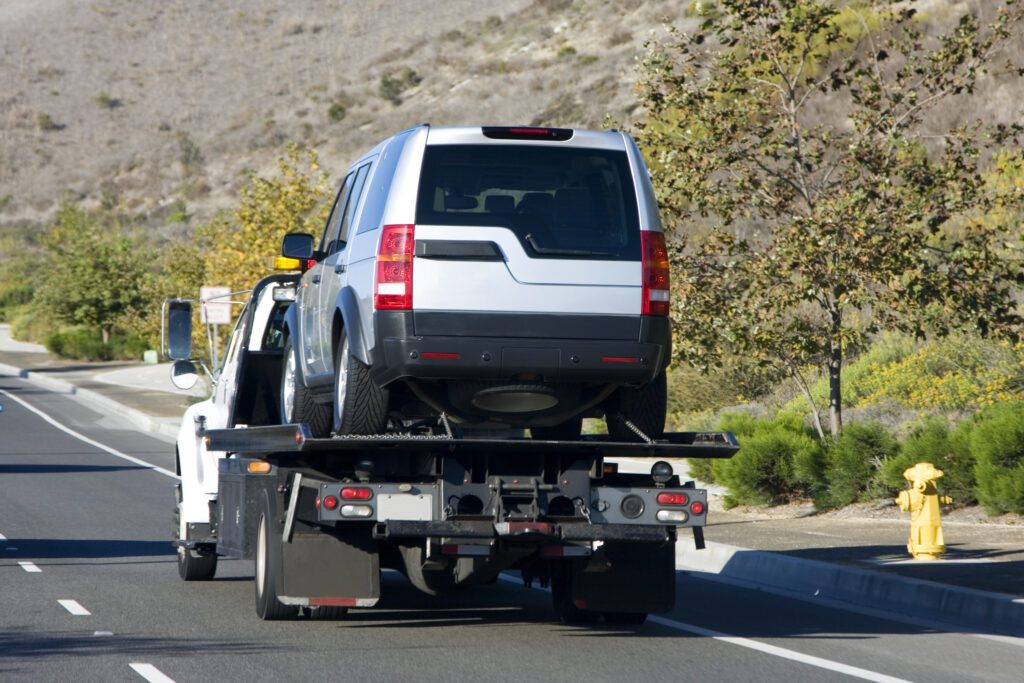
 Car repossessions are increasing across the United States. A repossession can happen when a borrower does not satisfy the terms of their loan. The numbers are rising quickly. In 2025, there were approximately 3 million vehicle repossessions across the country. We have not seen levels this high since the Great Recession of 2008 – 2009.
The High Cost of a Car Purchase
 The cost of purchasing a car is higher than ever. Last year, the average price of a new car was more than $50,000, and used cars about $26,000. It has been reported that the average monthly payment for a new car is about $749, where a used car is about $529.
The High Cost of Financing an Auto Loan

Interest rates on car loans also remain high. Recent data shows average interest rates of about 6.5% for new vehicles and around 10–11% for used vehicles. At Flitter Milz, we hear from clients with used car finance rates of up to 20% and higher. Higher interest rates make monthly payments more expensive, especially for borrowers with lower credit scores – sometimes called “subprime loans.”
Behind on Auto Loan Payments
When borrowers fall behind on payments lenders may repossess the vehicle within 60 to 120 days after a payment has been missed. For subprime lenders or “buy-here-pay-here” loans, repossessions could occur within 30 days or less after the first missed payment. In most cases, there is no requirement for the lender to notify the borrower in the advance of a repossession.
Steps to Take Before the Repossession
 1) Gather all documents from the sale
and finance of the vehicle.
2) Keep all documents in a safe place –NOT IN THE VEHICLE.
3) Take photos of the interior and exterior of the vehicle, to document the condition of the vehicle.
4) Take a photo of the odometer reading.
After the Repossession
Once a repossession has occurred, the lender is required to send a letter through the mail which confirms the repossession took place. The letter, frequently called a NOTICE OF INTENT TO SELL PROPERTY, will detail steps for the borrower to retrieve the vehicle.
If the borrower is not able to get the vehicle back, the lender may take steps to sell the vehicle at a private sale or auction. Once the vehicle is sold, the lender will send a second letter to the borrower confirming the sale price and show the calculation of any remaining balance owed to satisfy the loan.
NOTE: Do not discard any letters or notices, including mailing envelopes, emails or texts, received from the lender after repossession. These documents are important for a legal evaluation.
Qualified Legal Help After Repossession
 Flitter Milz has represented many consumers across the country who have fallen victim to car repossession. If your vehicle was repossessed, gather all documents related to the vehicle purchase, financing and repossession and forward them to our office for a legal review. There is no cost for the consultation.
Contact Us: Toll Free: 888-668-1225 Email: consumers@consumerslaw.com