
Imagine checking your bank account or credit card statement one morning and seeing money missing or charges listed that you did not incur. Most often, this is how people discover they are victims of fraud. What happens next depends largely on whether the fraud was done with a debit card or a credit card. Even though the cards look similar, the law treats them very differently.
Debit Card Fraud
A debit card is directly connected to your bank account. When a thief makes an unauthorized transfer with your debit card, the money usually comes straight out of your bank account.  This can cause immediate problems such as bounced checks or missed payments—especially for accounts that are set up with automatic or scheduled payments such as rent, mortgage, or other bills. As well, charges for everyday expenses like groceries or gas, may be rejected as the actual amount of cash available is lower than expected.
The fraudulent transfer of funds through a debit card are funds that come directly from your account…in other words, your hard-earned money. Getting funds taken fraudulently from your account can be difficult to recover even though bank policies may offer some protection. It is most important to report the fraud immediately.
Credit Card Fraud
 Credit cards work differently. Charges made to a credit card are paid or “advanced” by the credit card company. The consumer receives a statement at the end of the billing period and reviews all listed charges for accuracy.
Should there be an unauthorized charge or error on a statement, a written dispute must be sent to the credit card company within 60 days. Upon receipt of your letter, the credit card company will place the erroneous charge in a “DISPUTE” status. An investigation of the claim will begin. Often, consumers find it beneficial to discontinue use of that credit card until the dispute is resolved.
The law limits a consumer’s responsibility for credit card fraud to $50. This means the consumer may only be responsible for the first $50 of the disputed charge, even if the total charge is more.
Promptly Report Unauthorized Charges or Errors
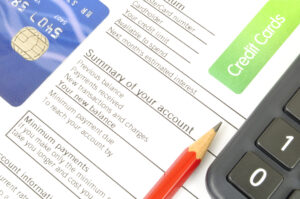 Unauthorized charges are when funds are transferred to an account, or charged to an account, by someone other than yourself, without your permission, and without any benefit to you.
Prompt reporting of unauthorized or suspicious transactions is critical. There may be legal protections for the consumer when the fraud is reported right away. Waiting too long can limit your legal rights or possibly make you responsible for unauthorized charges or stolen funds.
Steps to Take
Once the fraud is discovered it is important to send a written dispute to the bank or credit card company that is sent through the mail. The dispute letter should include:
– Factual Statement of fraud and/or error including dates, account numbers, etc.
– Copy of the account statement highlighting disputed item.
– Supporting documents to illustrate the fraud/claim.
– Request a date for written reply to your dispute.
 All dispute correspondence should be sent by a traceable means, such as Certified Mail – Return Receipt, so that you know when your letter was received.
Seek Qualified Legal Help
Unfortunately, banks and credit card companies don’t always follow the law. Sometimes refunds are delayed, claims are denied without a proper investigation, or consumers are blamed for a fraud they did not commit. Consumer protection laws exist to prevent this kind of unfair treatment. You may have legal rights if your bank or credit card issuer fails to protect you after fraud.
 Flitter Milz attorneys help people enforce those rights and hold financial institutions accountable. Importantly, consumer protection laws make the bad guy pay our bill—not you.
If you believe your rights were violated, do not handle it alone. Contact us for a free evaluation of your case.
Toll Free: 610-CONSUMERS Email: Consumers@consumerslaw.com