 The holiday shopping season is, under normal circumstances, a big stressor on the wallet. But this year proposes to be even more difficult than in years past, given that the global COVID-19 pandemic has led to massive job losses and financial hardships for people far and wide. Although the federal CARES Act offers some flexibility to consumers for payment of debt and subsequent credit reporting, it is important to consider the ramifications of over-spending on your credit rating, credit report and credit score.
Spending Habits Impact your Credit
 The danger in over-spending comes when that monthly bill is due, and you are still unable to come up with the cash to pay it off. Not paying credit card bills on time is one of those factors that will negatively affect your credit score and reports. By keeping spending habits under control, you can protect your credit and improve your ability to obtain new credit.
Buy now, Pay later? You must be disciplined.
 Using a credit card makes it easy to over-spend, especially during the holidays. The freedom of making purchases with a credit card today, could make it difficult to pay the bill the following month if purchases get out of hand.
But not paying obligations timely is one of those factors that will negatively affect someone’s credit score. When you are unable to pay off your charge card in full at the end of the month, interest will continue to run on those purchases, plus all future purchases, until the entire credit line is paid off. Your credit score and credit reports can take a hit when your payment history shows missed or late payments.
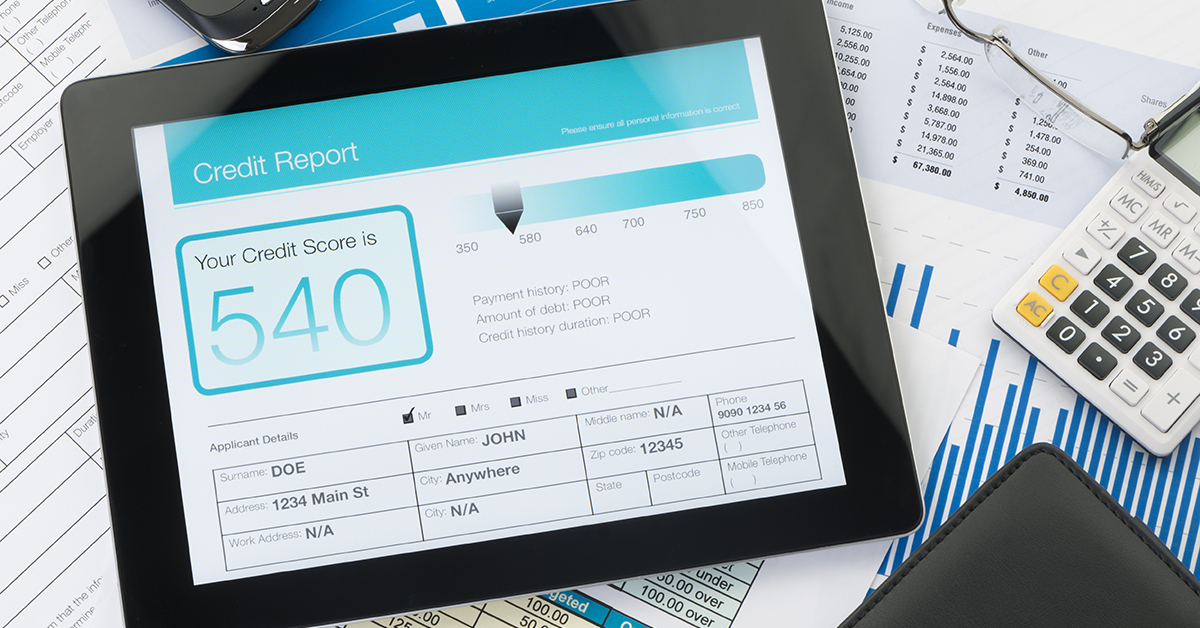
Monitor your Credit Score and Credit Report
 Credit reports and credit scores help reflect an individual’s financial picture. They are tools used to determine someone’s creditworthiness to lenders, help landlords make a determination as to whether you qualify as a trustworthy tenant, and are used by potential employers who are screening job applicants.
Credit Reports
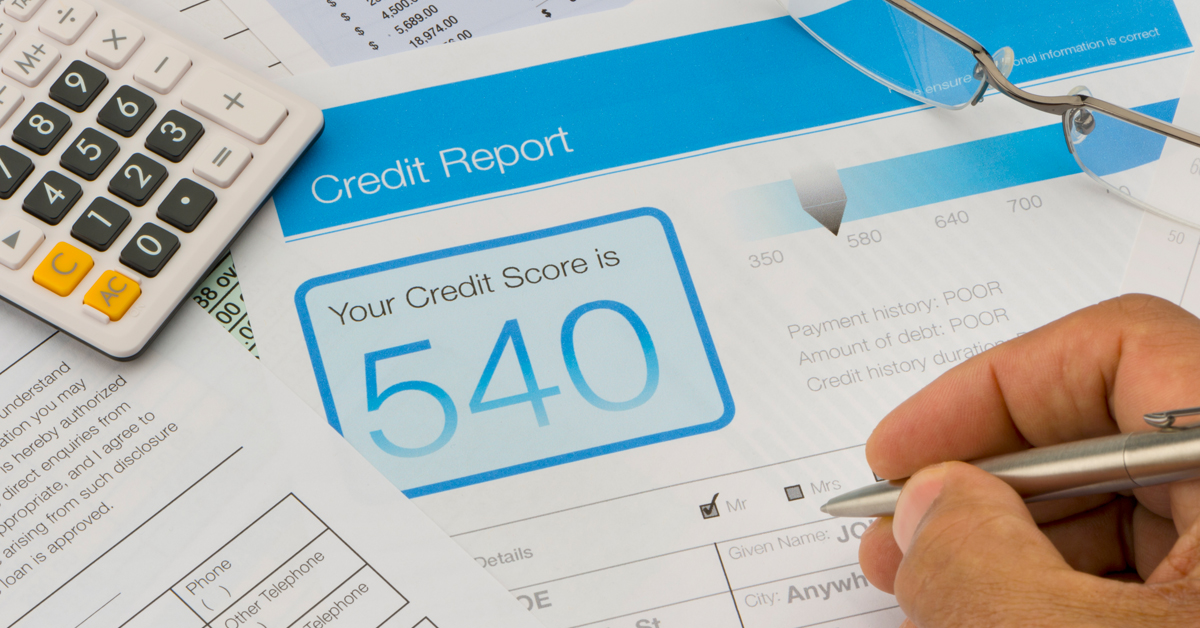
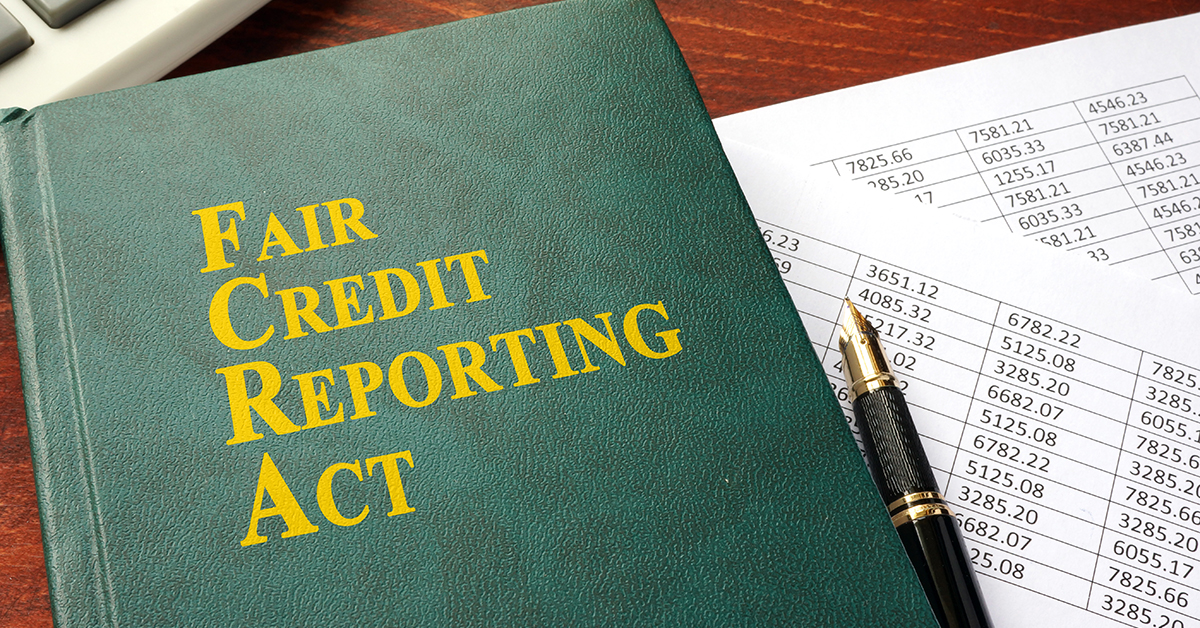
The Fair Credit Reporting Act is the federal law that regulates the credit reporting agencies. The bureaus must list consumer’s information accurately. Consumers may obtain a free credit report every twelve months to check their reports for errors. When information is listed inaccurately, the consumer must send a written dispute to the bureau and request a correction to the report.
Credit Scores
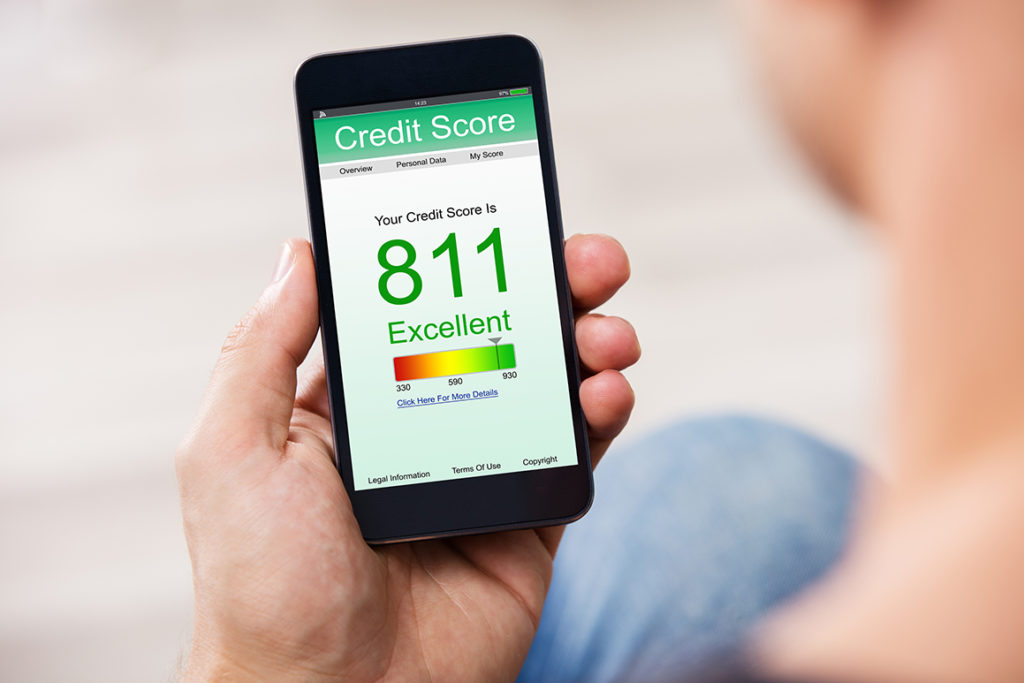
Credit scores indicate to a prospective lender how likely the consumer is to pay back the obligation on time and in full. Scores are determined by a number of factors including:
-
- The type of credit held by the consumer, such as credit card accounts, home mortgages, vehicle loans, and any other debt.
- Credit history, as in the length of time someone has held an account.
- The total amount of existing debt that someone has in his or her name.
- Payment history, whether scheduled payments are made in full and on time.
- Credit activity, or the frequency a person has applied for a credit account, as well as the number of credit inquiries.
- The percentage of available credit used.
Seek Legal Advice
 Flitter Milz is a nationally recognized consumer protection law firm that represents people with credit reporting accuracy and privacy issues, contact from abusive debt collectors and wrongful repossession. If you are someone who has suffered a hardship during the pandemic and feel as though your consumer rights have been violated by the credit bureaus, a lender or debt collector, Contact Us for a no-cost evaluation.