Understanding Consumer Law

How to Use this Resource

We hope the articles below help you understand your rights as a consumer. You can scroll through the titles, or sort by Practice Area or Topic. You can also use the search feature to locate information by keyword.

Flitter Milz represents people with a variety of problems involving consumer credit and collections. If you have a particular question or believe your consumer rights have been violated, Contact Us for a no cost consultation.

Thinking of Going Solar? Do your homework.

Most households are looking for ways to reduce costs.  Today, utilizing the sun’s power has become an enticing option. Lowering monthly energy bills and  contributing to a green environment are common reasons that homeowners opt for solar power.  But, choosing to add solar panels to your home is not a casual decision.  It requires research, investigation and planning.

Is my home suitable for solar panels?

There are pros and cons to every decision a homeowner makes.  Like any other investment, going solar may not make sense for every home.  After gathering facts, you need to evaluate:

  1. Energy usage for the home.  How much power must be generated to satisfy the needs of people in the home.
  2. Condition of the roof.  Does the roof need repair or to be replaced? Can my roof handle the weight of panels?
  3. Location of the home.  Am I in the right climate for solar panels?
  4. Sunlight v. Shade.  Does my roof get enough sunlight throughout the day to produce the power needed for my home?  Do trees need to be removed from my property for panels to work efficiently?
  5. Panel configuration.  Does my roof have enough space for solar panels?

Shopping Solar Companies & Financing

Similar to purchasing other items for the home, when considering solar panels, homeowners must shop around, get quotes, and investigate solar panel companies to compare one offer from another. There are a wide variety of products on the market with varying levels of efficiency, durability, reliability, output and design. As well, there are a number of solar companies and installers — some are better than others. Check the company’s reputation to see if complaints been filed against them with the Federal Trade Commission, State Attorney General, or Better Business Bureau?  Also, searching court dockets for lawsuits that have been filed against solar panel companies or their finance companies may provide insight to issues that other consumer’s have faced involving solar transactions.

CAUTION #1:  Is “Free” really free?

Frequently, we hear about door-to-door solar salesman telling homeowners that the solar panels will be free. After listening to a sales presentation and learning

of the benefits of solar power, the consumer is presented an iPad or tablet to sign, believing their signature gives the salesman  permission to evaluate the property for panels.  However,  the signature, or initials, on an iPad may authorize the solar company, without the consumer’s knowledge, to:


-Access the consumer’s credit file.
-Utilize the signature on documents that are Doc-U-Signed
-Enter the consumer in to a contract for solar panels
-Submit applications to finance the panels.

It’s not until panels have been installed on the home and bills begin to arrive that the consumer realizes solar panels are anything but free. Instead, many consumers find that they signed into a decades-long financial commitment which can last for 20 -25 years for the panels.  Bills from the local energy provider plus the cost of solar panels make the total cost of energy burdensome. All of a sudden, homeowners finds themselves in thousands of dollars of debt when they thought the panels were for free.

CAUTION #2:  Is the solar company reputable?

Before making a commitment to get panels, investigate reviews from other consumers. Obtain quotes from multiple solar companies for comparison. Then decide which company is best for you. For example, do I get panels from SunPower, Momentum Solar or Tesla?  Which company offers the product I want to buy?  Which company is presenting me with the best system for my home? What types of problems have other consumers faced when getting panels from one company versus another?

CAUTION #3: Why did the solar company access my credit report?

Prospective lenders for solar panels, such as banks, credit unions and financial institutions, seek access to the homeowner’s credit reports to determine whether to extend credit. This can only be done with the consumer’s written permission. When reports are accessed without the consumer’s permission, the consumer’s rights may have been violated. The Fair Credit Reporting Act is a federal law that governs the privacy and accuracy of credit reports.  If you do not want your reports accessed, do not sign anything that would grant permission.

CAUTION #4: How do I pay for the solar power system?

If you don’t have cash on hand to pay for the system, you must evaluate whether to lease, enter a power purchase agreement (PPA) or finance the system through a solar loan.

The benefit of entering a solar lease or PPA is that costs are not paid upfront. The solar company owns the system on your roof and monthly payments are made to them for the energy generated by the panels.

Solar loans work like other home improvement loans. The loan is taken out through a finance company with monthly payments made to the lender for the purchase of the system.  Just like researching the solar company, homeowners must research the best way to finance the solar power system. There are several companies, such as Goodleap, Mosaic, or Sunlight Financial, that offer loans for solar panels. But ask yourself, which one offers the best terms for me?

For instance: Who is Goodleap?

Formerly known as Loanpal, Goodleap is a finance company that provides loans for solar products like rooftop solar panel systems. Goodleap teams up with door-to-door sales companies who sometimes entice people to sign up for “free” solar panels. Hundreds of consumers have complained about Loanpal/Goodleap’s business practices to the Better Business Bureau. The Better Business Bureau has rated Loanpal an “F.” From customer reviews, Loanpal received only one out of five stars. In fact, some consumers complain that they never saw or signed a contract. When faced with accusations that the solar panel salesperson engaged in fraud — such as signing up a consumer for a loan without their knowledge or consent — Goodleap has attempted to distance itself from the solar panel company.

The salesperson won’t even tell you that Goodleap needs to pull your credit report for a loan.  Your “consent” may have been buried in documents that were Doc-U-Signed on the iPad or tablet. And although you may have been promised copies of anything you signed, you never received them. Often, you won’t learn about the existence of any loan papers until the solar panels have been installed on your home.  Remember, it is fraudulent and unlawful for anyone to be signed up for a loan without written consent.

How to protect yourself when considering solar 

  • Get a copy of the contract and read it carefully before signing. There is no rush for you to enter into a deal.
  • Never give out personal information – bank account numbers, birth dates, Social Security Number – to a door-to-door salesman you just met.
  • Monitor your credit. It is illegal for a solar company to make a hard inquiry on your credit report without a permissible purpose. You must provide written authorization for someone to access your credit file.
  • Visit websites for the Federal Trade Commission, Consumer Financial Protection Bureau, State Attorney General, and the Better Business Bureau for insight on solar energy scams.

Seek Legal Help from a Qualified Consumer Law Firm

Flitter Milz is a nationally recognized consumer protection law firm that evaluates solar panel sales matters for potential violation of the consumer laws involving fraud, such as forged contracts, identity theft and credit reporting privacy violations.  Contact Us

Pictured:  Cary Flitter (center), Andy Milz (left), Jody López-Jacobs (right).

Is your Credit Report Mixed with Someone Else’s Information?

Finding out that your credit report has been merged with someone else’s information usually occurs at the most inopportune time.  Often it’s when you’re considering the purchase of a home or car, taking out a student loan, or possibly looking for a new job or apartment.  However, it’s not until after credit applications are denied, or credit scores lowered, that most consumers review their credit reports.  At that point, when errors are discovered, damage to one’s credit may have already taken place.

Read more below:

Flitter Milz Nets
$360k Award in
Mixed Credit File
Lawsuit 

How do credit files get mixed?

There are a variety of reasons why credit files get mixed.  With the amount of information handled by creditors and the credit bureaus, mistakes are bound to happen.  For example, information from an application may be keyed into a file incorrectly. Digits on a social security number may be transposed, or a name misspelled from an application.  Those errors can pass from the original creditor through to the credit bureau.  Or, the credit bureau mistakenly may combine credit files of two or more different consumers into one file.  Unfortunately, the errors may not be discovered until the consumer reviews his or her report…usually after applying for new credit.

Common errors on mixed credit files
-Share a common family name, such as Smith or Jones

-Name suffixes – i.e. Sr., Jr., III
-Identical names
-Common address
-Similar Social Security Number or Birthdate
-Co-signers on loans
-Unidentifiable accounts resulting from identity theft
-Public record listings – judgments, liens, foreclosures.

Correcting mis-merged or mixed credit files 

If you believe someone else’s information has been mixed with or merged onto your credit file, a written dispute must be sent to the reporting agency.  Disputes for information on credit reports should be sent directly to Transunion, Experian or Equifax.  If errors appear on an industry specific agency report, such as ones used by employers, insurance companies, banks, or landlords for screening applicants, the dispute must be sent directly to that agency.  Correction of mis-merged or mixed credit files is similar to disputing errors on credit files.  Consumers should follow these important steps:

STEP ONE
Obtain current copies of your credit reports from Transunion, Experian and Equifax, or the industry specific agency.

Write for a current copy of your complete report.  Your letter must include two forms of identification to validate your ID and address, such as a current driver’s license and utility bill.

STEP TWO
Highlight items on your report that are incorrect.

STEP THREE
Gather documents that confirm your identity.  You must be able to distinguish yourself from the other person, such as a birth certificate, social security card, passport, driver’s license, account statements with your address, or paystub from your employer.  Provide copies of documents that specifically relate to the error(s) on the report.

Also, if you know who the mixed information belongs to, such as a relative, let the credit bureau know.  This may help in their investigation and enable a faster resolution to your dispute.

STEP FOUR
Prepare a dispute letter for the reporting bureau.  The letter must state that your file has been mixed with someone else.  Clearly identify the mistakes and provide relevant documents that show the error(s).  Request that the bureau correct your file.  Ask for written confirmation that shows the correction has been made.

The credit bureau has 30 days to address disputes

The reporting bureau has 30 days to respond to your written dispute.  If errors are not corrected, you may need to send a second dispute to that bureau, and possibly provide additional documentation.  Or, you may need to write to the underlying creditor, explain the problem and request corrected information be sent to the reporting bureau.

Can I sue the Credit Bureau or Credit Furnisher?

The Fair Credit Reporting Act is a federal law written to protect consumers from inaccurate or incomplete information listed on credit files.  When credit bureaus or credit furnishers do not take steps to correct errors on credit reports, the consumer may consider filing a lawsuit against the reporting bureau or creditor furnisher.


Flitter Milz in Action


Flitter Milz nets $360K Award in Mixed-File Case:
Hutchins v. Mountain Run Solutions, LLC

A U.S. federal court recently awarded $360,000 to our client, a young man whose life was upended by a debt collector who refused to remove an inaccurate account from his credit report despite our client’s numerous requests.  The case is Hutchins v. Mountain Run Solutions, LLC and can be found here.

Our client is a young professional who noticed a collection account he didn’t recognize on his credit report.  The account – which dragged down his credit score – belonged to his father, who shared the same name but had a different date of birth, SSN, and address.  The son made three disputes to the credit bureau Experian and the debt collector, Mountain Run Solutions, claiming the debt was not his and asking for an investigation, only to have his requests to investigate ignored.  He was forced to sue.

Mixed files like this, as recognized by the Consumer Financial Protection Bureau, are a big, big problem in the credit reporting industry.

After a damages hearing in federal court, the court entered judgment against the debt collector, awarding $180,000 to the son for the mental and emotional toll the negative credit caused him.  The court also said punitive damages were warranted for the debt collector’s knowing and willful violation, adding another $180,000 to the award for a total of $360,000.  (The claim against the credit bureau was resolved out of court).

Seek Qualified Legal Counsel

If someone else’s debt or a stranger’s account is on your credit report, Flitter Milz can help.  Whether your credit file has been mixed or mis-merged with a family member, someone with a similar name, or a total stranger, your consumer rights may have been violated.  Contact Us for a no cost evaluation.

Pictured:  Cary Flitter (center), Andy Milz (left), Jody López-Jacobs (right).

Take Control of your Credit

Understand credit scores and credit reports

Credit is part of your financial power.  It plays a crucial role in enabling us to get the things we may need or want, such as homes, vehicles or educations. However, many consumers don’t take an active role in managing and monitoring their credit scores or credit files. There is a common misconception that your “credit score” is your credit report.  It is important to understand the difference.

What is a credit score?

A credit score is a number that predicts how likely you are to pay back a loan on time.  Information that appears on your credit report is used in a scoring model, which is a mathematical formula, to create the score. Depending on the specific data used to calculate a score, the actual credit score number can vary from one scoring model to another.  Most credit scores range from 300 – 850.  Higher scores make it easier to qualify for a loan and may result in better terms, such as interest rates and length of the loan.

Seeking Credit

When consumers seek credit, whether it be for a mortgage, auto loan, credit card, or another type of credit product, the lender will request access to the consumer’s credit and obtain copies of his or her credit reports and credit scores.
This information will assist the lender in determining whether to extend credit, and if so, the interest rate on the loan or credit card, and the credit limit.

Here are some guidelines that may help you to get and keep a good credit score

  • Pay your loans in full and on time.
  • Keep credit balances low in relation to the full credit limit
  • Develop good payment history over time
  • Only apply for the credit you need
  • Review your credit reports regularly

What is a Credit Report?

Transunion, Experian and Equifax are the three main credit reporting bureaus.  These bureaus provide credit reports which list specific information about a consumer’s credit activity and payment history. Lenders use these reports to help determine whether to extend credit or not.  As well, other businesses such as insurance companies and utilities, or prospective employers and landlords, may request access to a consumer’s report for use in making decisions about you.  Shall I give you a job offer?  Rent you an apartment?

Many people use apps, such as CreditKarma or Credit Sesame, to get a sense of where their credit stands.  But these apps do not show your credit report.  Instead, they give you only a superficial snapshot of the status of your accounts.  They may not show the most up-to-date information about your credit file, which may reflect inaccurately reported missed payments from years ago.  The only way you can see the most current information on your credit file is to obtain your credit report from one of the three main bureaus – Transunion, Experian and Equifax.

What type of information is on a Credit Report?

The type of information listed on credit reports can include:

Personal information:
Your name and name changes, current and former addresses, birth date, social security number and phone numbers.
Credit Accounts:
Name of creditor & account type, balance, payment history, credit limit &
date opened/closed.
Collection Accounts:
Credit accounts that have been assigned to a collection agency.
Public Records:
Liens, Foreclosures, Bankruptcies, Civil suits and Judgments
Hard Pull Inquiries:
Lenders that access a consumer’s credit file in the process of extending new credit.
Soft Pull Inquiries:
Businesses access consumer files for the purpose of extending a new
credit opportunity or service.

Check your credit reports for accuracy

Credit reports should be reviewed regularly for accuracy. When incorrect information appears on a credit report, the consumer must send a written dispute to the credit bureau. The dispute letter must clearly state the error that appears on the report and include documents that support the claim for correction.  The bureaus have 30 days to respond in writing to the dispute.  If the error is not corrected, the consumer may need to seek counsel from a qualified consumer protection lawyer.

How to Obtain a Credit Report?

Send a written request to the credit bureau

Consumers may obtain credit reports by writing to Transunion, Experian and Equifax. Your letter should include two forms of identification, such as a current driver’s license and utility bill.  It may take about two weeks to receive your report through the mail. Click here for a template letter.

Request your report online:

During the COVID-19 pandemic, Transunion, Experian and Equifax are offering free weekly online credit reports through annualcreditreport.com, a website authorized under federal law that allows you to request free reports from each credit reporting agency every 12 months.

Seek Legal Help from Qualified Consumer Lawyers

Attorneys at Fitz MilnerDo you have errors on your credit reports?  Problems getting credit?

Flitter Milz is a nationally recognized consumer protection law firm that evaluates matters involving credit reporting accuracy and privacy.

Contact us for a no cost legal evaluation of whether your consumer rights have been violated.  Pictured:  Cary Flitter (center), Andy Milz (left), Jody López-Jacobs (right)

Understanding Vehicle Repossession and the Impact on Credit

The hard facts about Repossession.

We all understand that when you borrow money, you need to pay it back. And if you take out an auto loan, whether it’s with a bank, credit union or other financial institution, if payments are late or missed, the lender has the right to repossess the vehicle.

Signing a loan agreement means that you agree to the terms to repay the money borrowed, plus any interest and fees, within a scheduled period of time. Opting to finance a vehicle is an important decision and carries significant responsibility and financial discipline.

Short Term v. Long Term Effects of Repossession

When the borrower defaults on an auto loan there are serious consequences. Immediately, daily life becomes upset without use of the car.  Getting to work or handling routine daily chores, such as food shopping, taking children to school, or attending doctor’s appointments, may present difficulties for the household.

But more important is the long-term consequence. Repossessions can remain on credit reports for seven-and-one-half years, beginning from the date that the account first became delinquent.  And, as long as the repossession stays on your report, it can seriously damage credit and impact the calculation of credit scores. Also, negative listings on credit reports may make it more difficult to secure new loans, and existing creditors could alter credit terms by lowering credit limits or increasing interest rates.

Factors that can Damage Credit

  • Late payments – every month a payment is missed a negative mark appears on the account’s payment history.
  • Defaults – Loan defaults carry negative weight.   i.e. charge-off or repossession.
  • Collections – Collection accounts appear as negative listings on credit reports.
  • Court Judgments – Unsuccessful collection attempts, lead to lawsuits against the borrower to obtain a judgment.

Factors Contributing to the Calculation of a Credit Score

  • Payment History – Timely payments made to an account
  • Credit Utilization – The ratio of available to used credit
  • Age of Credit – The length of time an account has been open
  • Types of Accounts – A consumer’s credit mix: mortgage, credit cards, loans, etc.
  • Application history – The number of credit applications submitted within a specific period

Legal Protections from a Wrongful Repossessions

Whether or not the borrower defaulted on the terms of the auto loan, State and Federal laws govern how lenders and repo agents are to handle repossessions properly– at the scene and afterwards. When the borrower’s consumer rights are violated, a case could be pursued against the lender, repo agent or both. Repo agents may not threaten the borrower or use physical force.  In the course of repossession, the borrower’s vehicle or property is not to be damaged.  If police are called to the scene, their job is to keep the peace, not assist with the repossession.  If personal items have been left in the repossessed vehicle, the repo agent must permit the borrower to retrieve those items.

AFTER the Repossession

Following the repossession the lender has responsibilities to the borrower.  They must provide notices that inform the borrower with steps to retrieve the vehicle and their personal property.  Once the vehicle is sold, the lender must inform the borrower of the selling price and present a calculation of any remaining balance owed to satisfy the loan.

Manage Auto Loan Payments and Credit Reporting

Monitor Credit Reports for Errors
Over the course of the auto loan, borrowers should monitor their Transunion, Experian and Equifax credit reports for accurate reporting. If incorrect information is listed, such as a late payment history, a dispute letter should be sent to the lender and the credit bureau to request correction on the report.  

Send Effective Disputes
Disputes letters must include documents that show the error, such as cancelled checks, account statements, correspondence with the lender, etc. Also, the dispute must clearly state the requested action,  an update, correction or removal of the information.

Keep Accurate Payment Records

As important as it is to make payments in full and on time, we can’t always rely on the lender to keep an accurate record of payments.  Sometimes mistakes are made. Incorrect payment amounts could be applied to the borrower’s account, or the payment could be applied to someone else’s account.  Borrowers that manage and keep accurate payment records have good documents to support disputes made to the lender and/or credit bureau.

Seek advice from a Qualified Repossession Lawyers

Flitter Milz is a nationally recognized consumer protection law firm that represents consumers in matters of wrongful repossessions and credit reporting accuracy and privacy disputes. When errors remain on credit reports after a dispute, Contact Us for a no cost legal review to determine whether your consumer rights have been violated.  Pictured: Cary Flitter (center), Andy Milz (left), Jody López-Jacobs (right).

Why the Pandemic May Be Hurting your Credit Score

Consumer Reports, February 3, 2021
Why the Pandemic May Be Hurting Your Credit Score By Lisa L. Gill
https://www.consumerreports.org/credit-scores-reports/why-the-pandemic-may-be-hurting-your-credit-score/

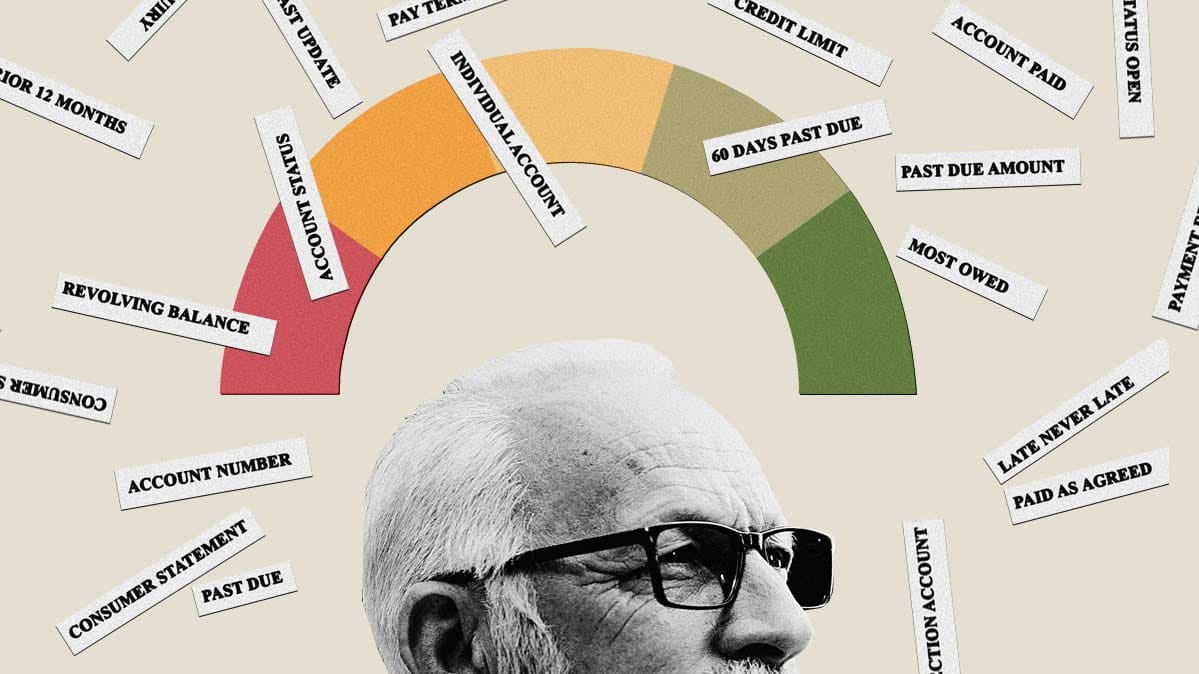
Photo-illustration showing a credit score icon and finance-related terms floating above a person's head

Illustration:  Lincoln Agnew

Attorney Andy Milz, cautions consumers that COVID-19-related payment deferrals aren’t the only problem contributing to credit reporting errors and drops in credit scores since the pandemic.  He states, in this recent Consumer Reports article, that other common credit reporting errors, such as accounts or loans that have been paid off but still appear as unpaid, individual loans reported multiple times, or debt that’s listed as in collections but has been paid off, can pose hurdles, too, if you need a loan or line of credit.
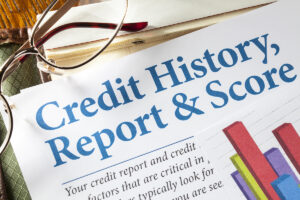
Protect your credit.

Don’t let inaccurate information on your credit report keep you from getting the loan you want.  The Fair Credit Reporting Act, is the federal law that helps ensure the accuracy of information on credit reports.  It is the duty of credit furnishers and the credit bureaus to report accurate information. If reported information is disputed by the consumer, the bureau and/or creditor must investigate the claim and correct the error. Consumers must take steps to keep accurate credit reports.

1. Review your Credit Report Regularly

Consumers are entitled to receive one free credit report every twelve months from each of the Big 3 credit bureaus – Transunion, Experian and Equifax. Consumers must provide two forms of identification, such as a current driver’s license, pay stub or utility bill, to obtain a report.

2. Send written dispute to address errors with the Credit Bureaus

If you notice errors on your credit reports, you must send a written dispute to the bureau.  The letter should clearly identify the error and state why the listing should be updated or removed. Errors that remain on a consumer’s report could violate the consumer’s right under the Fair Credit Reporting Act.

3. Seek Legal Help from a Qualified Consumer Protection Law Firm

Attorneys at Fitz MilnerFlitter Milz is a nationally recognized consumer protection law firm that represents consumers in matters where the credit bureaus or credit furnishers have continued to report errors on credit reports.  Contact Us for a no cost legal review to determine whether your consumer rights have been violated.
Pictured: Cary Flitter (center), Andy Milz (left), Jody López-Jacobs (right).

Are you keeping your Credit Information Private?

Credit reports contain a wealth of personally identifying financial information and offer a peek into a consumer’s current, and past, financial status.  The privacy of these reports, and the accuracy of their information, is critical to consumers. Prospective lenders, employers, landlords and utility companies may need to request access to reports to determine whether to extend credit, offer a job or a place to live.

The Fair Credit Reporting Act is the federal law that governs how credit information is used and distributed. Consumers have the right to see their reports, who may have accessed it, and dispute any errors that appear and get them corrected.

Who can access your credit report?

An individual or business may request access to a consumer’s credit file, but they must obtain written permission from the consumer.  Often, during the process of applying for credit, interviewing with a prospective employer or landlord,  or applying for utilities,  there may be a request to access the consumer’s credit file.  Many times the credit application will serve as written permission.  Other times, a specific document will be presented to the consumer for his or her signature.
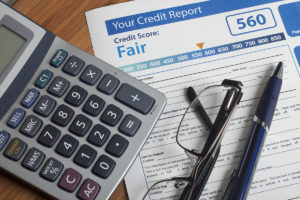
Periodically, lenders with whom you already have credit accounts are also given permission to access your credit reports as part of their account review process. These inquiries, however, would not negatively impact your credit scores.

In some instances, the government is also permitted to access your credit reports, specifically if responding to a court order or subpoena, or when reviewing your eligibility to certain governmental benefits.

Monitor your Credit Reports for Privacy and Accuracy

Credit report print outConsumers must monitor their reports, not only for accuracy, but to see who has accessed his or her credit file. The three main credit bureaus, Transunion, Experian and Equifax, are required to keep track of instances in which credit reports are accessed, and who is accessing them.

Impermissible Credit Pulls include:

  • A sales company pulling a credit report before a consumer has given an OK.
  • A creditor that pulls a report after debt is discharged in bankruptcy.
  • A creditor pulling a report after the account has been closed.
  • A potential employer pulling a report during the interview process.
  • A potential landlord pulling a credit report without permission.

What is ‘Hard’ v. ‘Soft’ Credit Inquiry

In general, two types of credit inquiries exist:  a hard inquiry and a soft inquiry.

      • A ‘hard’ inquiry, is when a lender with whom you’re applying for credit reviews your credit reports within the scope of their process to decide whether to approve or decline the new credit application. Too many hard inquiries on one’s credit report is not a good sign to lenders, since it signals that you either have too many accounts open, that you are having financial difficulty, or that you are at risk of overspending.
      • A ‘soft’ inquiry, is when a lender or credit card company reviews your credit reports as part of a preapproval process for some type of promotional offer. The important thing to remember is that a ‘soft’ credit pull will not hurt your credit score.

How do I know if someone accessed my report?

Credit reports are divided in to sections, such as:  Personal Information, Public Records, Account Information, Satisfactory Accounts, Closed Accounts, Collections, and Inquiries. The Inquiry section lists all individuals or companies that have accessed the consumer’s report and includes the name of who inquired, the date of the inquiry, the type of business and the businesses’ contact information.  The consumer may write to the address of the inquirer to request an explanation for the inquiry.

How do you get your Credit Reports?

All consumers are entitled to one free credit report every 12 months from TransUnion, Experian and Equifax. Often, the credit bureau will request two forms of identification with your request which confirm who you are and where you live. You may choose to submit a current driver’s license, utility bill or pay stub. Consumers that wish to view their reports more often could enroll in a credit monitoring service, or pay to receive additional individual reports from each bureau.

3 Options to obtain credit reports:

      1. Write to the credit bureau.
      2. Visit the website:  annualcreditreport.com.
      3. Call toll-free –877-322-8228.


Have you become a victim of Identity Theft?

Periodic reviews of credit files can help ensure that no fraudulent activity has occurred with your financial information.  By checking your credit reports frequently, you can see whether credit applications or unfamiliar accounts were opened in your name, or that your file was accessed without permission. If you discover that you may be an identity theft victim, place a fraud alert on your credit report to alert the bureaus that you must be contacted when credit applications are filed.

How do you dispute Credit Reporting Errors?

Credit reports must be accurate.  When you discover errors or listings that are unfamiliar, a written dispute letter must be sent to the credit bureau. The letter must clearly identify the error and state the action required to correct the problem.  In addition, the bureaus must receive documents which support the claim for correction.

Get help from a Qualified Consumer Law Firm

Flitter Milz is a nationally recognized consumer protection law firm that represents consumers in matters involving credit reporting accuracy and privacy. Contact us for a no cost evaluation of whether your consumer rights have been violated.

Dangers of Co-Signing an Auto Loan

Being asked to co-sign a loan for a family member or close friend is a larger responsibility than most people realize.  When you co-sign a loan, such as an auto loan, you and your credit are on the hook if that relative or friend decides to stop making payments on the loan.  In other words, by co-signing, you are a co-borrower and must accept responsibility of terms stated in the loan agreement.

Risks of Co-Signing

There are inherent risks associated with co-signing an auto loan for someone else. Usually, when someone approaches a relative or friend about co-signing a loan for the purchase of a vehicle, it is because that individual, or co-borrower, does not have good enough credit to qualify for the loan on his or her own.

When you agree to co-sign an auto loan, if anything goes wrong, you will be subject to the terms of the loan and responsible to satisfy any balance owed.

The vehicle could be repossessed.
If the co-borrower does misses payments on the auto loan and the vehicle is repossessed, the lender will approach the co-signer to furnish past due payments, or possibly request payment of the entire loan balance.  If the co-signer can not meet the terms, the vehicle would be sold at an auction or private sale.  Afterwards, the lender will seek payment of any deficient balance owed to satisfy the loan.

Additionally, when proper insurance is not maintained on the vehicle, the co-borrower may be in breach of the auto loan agreement. This type of breach could pave the way for the lender to repossess the vehicle, causing additional harm to the both co-borrowers credit reports and credit scores.

You Could Be Sued.

Once the vehicle is sold, the lender may assign collection of the deficient balance to a debt collector or law firm collector.  If the loan balance is not paid, the lender could choose to sue the co-borrowers to recoup funds owed on the outstanding balance.
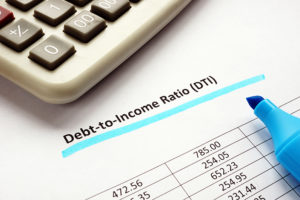


The Occurrance of Unexpected Life Events
Equally important, the loan agreement may state terms  if unexpected life events were to occur.  In these situations, the lender may look to the co-signer to fulfill the terms of the outstanding auto loan agreement. Be sure to read the loan agreement carefully and understand your obligation.

      • Divorce
      • Loss of employment
      • Filing for bankruptcy
      • Death of Co-Borrower

Impact on your Credit — Understand your Debt-to-Income Ratio.
Co-signing a loan should not be taken casually. The co-signer must consider whether or not credit may be needed for him or herself.  If a co-signer has too much debt in relation to income, he or she may be viewed as a high risk for a new loan. The lender may either decline the new loan application or offer unfavorable credit terms.


Offer Help in Other Ways 


If you truly desire to help out a family member or friend who may simply be unable to secure a loan on his or her own, perhaps you can consider privately loaning the individual the money for the purchase. In other words, you lend the individual the money and they pay you back in installments over time, or whatever agreement the two of you come up with.


Of course, if the loan is for a larger purchase, such as an automobile, you should make sure the friend or relative would be able to pay you back. Whenever you loan money, it’s advisable to get your agreement in writing and indicate the amount borrowed and terms for repayment.

Seek Legal Help

Flitter Milz is a nationally recognized consumer protection law firm that represents individuals in matters against auto lenders, as well as debt collectors and credit bureaus.  CONTACT US for a no cost legal evaluation to determine whether your consumer rights have been violated.


How to Maintain Good Credit During Divorce

Financial Separation is Key

Getting divorced is never easy. Although it is an unfortunate fact of life for more than half of all U.S. couples, parting ways with your spouse doesn’t mean that your credit has to take a hit.

Separating financially is crucial as most married couples share joint assets, such as homes, cars, credit cards and loans. But the division of these accounts can be a messy financial predicament.  It is important for you to protect your credit, and good name, as you work towards an independent life from your spouse.

Credit Impact During Divorce

Joint accounts have joint consequences, and often with the stress of divorce one spouse may have forgotten to make a payment, or assumed the other spouse did. Missed or late payments may result in contact from debt collectors, negative credit reporting and lowered credit scores.  To ensure joint accounts get paid properly and on time take these steps:

1. Calendar payments.
–   Identify accounts: your name v. joint.
–   Create a file for each account.
–   Organize account statements.
–   Calendar payment due dates.
–   Review accounts for payment status.


2. Obtain Current Credit Reports.  Transunion, Experian and Equifax are the three main credit reporting agencies. Consumers are entitled to receive one free credit report from each bureau every year.  Sometimes, consumers choose to enroll in a credit monitoring service which enables review of credit reports on a regular basis throughout the year.

How to get credit reports.  We suggest that you send a written request to each credit bureau to obtain a report.  Your letter should include two forms of identification, such as a current driver’s license and utility bill. It takes about two weeks to receive your reports.  While you can also obtain your reports online through www.annualcreditreport.com, this method requires you to agree to terms in a “click” agreement, which could negatively impact your consumer rights.

3. Identify your accounts
Review your reports and identify accounts in your name and those that are joint with a spouse.  Evaluate your reports for errors such as:

            • Inaccurate personal identifying information.
            • Account balance or payment history errors.
            • Duplicate account information.
            • Personal information belonging to someone else.
            • Accounts opened by someone other than yourself.

4. If Inaccurate…Dispute!  After obtaining your credit report, if there are errors, you should send a dispute letter to the credit reporting agency to request that the errors be corrected.  Be sure to enclose documents that support your claim. The credit bureaus have 30 days to respond to your dispute. You may include documents such as, account statements, cancelled checks, court docket information, or collection correspondence that  prove why your claim of an error is valid.

One Dispute Letter Per Error. If you find multiple errors on a credit report, dispute them individually with the bureau. Enclose a copy of the credit report with the error highlighted and your supporting documents. The credit bureaus then have 30 days to respond to your dispute letter.
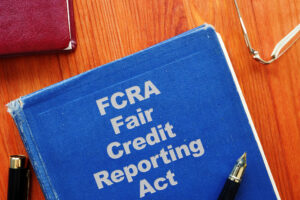


The Fair Credit Reporting Act 
The Fair Credit Reporting Act is a federal law governing how consumer credit information can be used and distributed. Consumers have the right to see what’s on their credit reports and dispute errors and inaccurate information. Errors not corrected, may violate the consumer’s rights.

Seek Legal Help

Flitter Milz, P.C. represents people in consumer credit matters related to credit reporting accuracy and privacy, abusive debt collection contact and vehicle repossessions which stem from a pending divorce or separation.  Contact Us for a no-cost consultation.
 

Who are the Credit Reporting Agencies?


What is a Credit Bureau?

Credit reporting agencies are companies that compile detailed financial information on consumers from various sources.  The information collected is put together into a credit report. When the consumer seeks credit, businesses then contact credit reporting agencies to obtain credit reports to assess the consumer’s financial health. These credit reports may be requested by insurance companies, credit card companies, potential landlords, potential employers, and others that need to evaluate your credit history.

The Fair Credit Reporting Act (FCRA)

The federal law, commonly called the FCRA, helps to ensure the accuracy, fairness and privacy of the information in consumer credit bureau files. The law regulates the way credit reporting agencies can collect, access, use and share the data collected in consumer reports.

The Big Three:  Transunion.  Experian.  Equifax.

Transunion, Experian and Equifax are the three main credit bureaus.  If a person or business is requesting your credit report, that request may very well be to one of these three national credit reporting agencies. However, there are many other credit reporting agencies, and many of them are tied to specific industries.

Industry Specific Reporting Agencies

Some credit bureaus are businesses that collect data and assign scores for specific purposes.  Usually these types of businesses may check reports before offering you employment, lending money to you or leasing you an apartment.  Some of these bureaus are listed below by industry.

Employment Screening

    • Accurate Background
    • ADP Screening & Selection Services, Inc.
    • com
    • Checkr
    • EmpInfo
    • First Advantage Corporation
    • General Information Services, Inc. (GIS)
    • HireRight
    • Info Cubic
    • IntelliCorp
    • OPENonline
    • Pre-employ.com
    • Truework
    • The Work Number

Tenant Background Screenings

    • Contemporary Information Corp. (CIC)
    • CoreLogic Rental Property Solutions
    • Experian RentBureau
    • First Advantage Corporation Resident Solutions
    • Real Page, Inc. (LeasingDesk)
    • Screening Reports, Inc.
    • TransUnion Rental Screening Solutions, Inc. (TransUnion SmartMove)

Check or Bank Screening

    • Certegy Check Services
    • ChexSystems
    • CrossCheck, Inc.
    • Early Warning Services
    • Global Payments Check Services, Inc.
    • TeleCheck Services

Insurance Screening

    • A-PLUS Property (by Verisk)
    • LexisNexis C.L.U.E. (Auto & Property Reports)
    • Drivers History
    • MIB, Inc.
    • Milliman IntelliScript

Sub-Prime Loan Market
for Auto Loans or Retail Installment Contract

    • Clarity Services
    • CoreLogic Teletrack
    • FactorTrust

Requirements for all Credit Bureaus

The list of credit reporting agencies goes on.  But regardless of the nature or type of credit reporting agencies, each such agency is required to give you at least one free credit report every twelve months.  Requests for credit reports should be made in writing and sent by mail.  For example, you could request a free copy of your credit report from both Transunion and Experian, so long as you have not requested a credit report from these agencies in the past twelve months.  The bureaus may charge for multiple reports requested during the year.

Credit Reporting Errors

Marking Up errors on credit report

Have you noticed any inaccuracies listed on your credit report?  If so, it is highly important that you dispute the errors directly to the credit reporting agency.  Dispute letters should be accompanied by a copy of the credit report with the error highlighted.  The letter should be  sent by certified mail, and should include all relevant evidence and documentation that supports your dispute. If the credit bureau does not correct an inaccurate listing, seek legal counsel.

Seek Legal Counsel

Flitter Milz is a nationally recognized consumer protection law firm that represents victims of inaccurate credit reporting.  Contact Us for a no cost legal review of your credit reports and evaluation of whether your consumer rights have been violated.

Resolution for the New Year: Create a Budget and Avoid Credit Problems

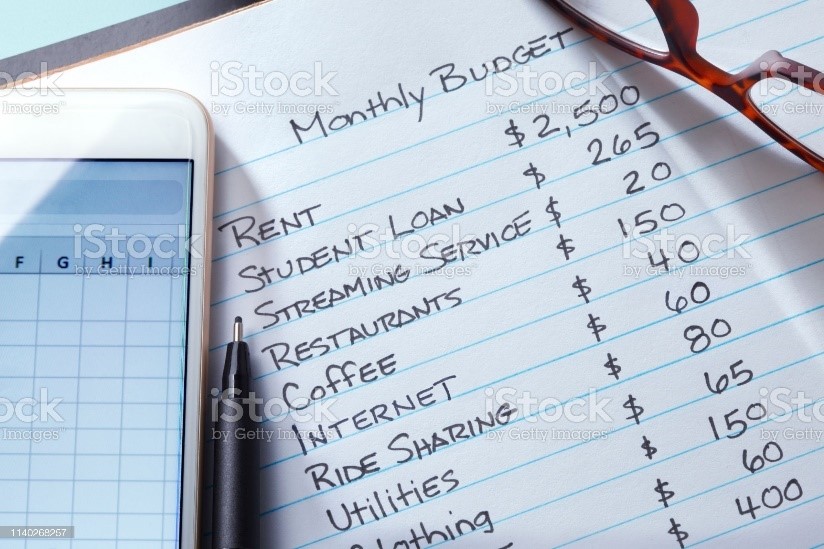
Crafting a household budget is not only necessary to help evaluate spending patterns and measure income versus expenditures, but it also helps to ensure a secure financial future.

When an individual’s debt-to-income ratio rises, meaning that the person is taking on more debt than they are receiving in income, dire financial circumstances may occur for that person, and his or her family.

And if debt starts to get out of control and goes on unpaid for a period of time, debt collectors will no doubt start reaching out, your vehicle could get repossessed and credit scores could plummet.

It All Starts With Budgeting

The discipline of a budget helps keep a focus on income and payments towards all financial obligations.  Develop a plan to meet your obligations and protect your credit rating.

1. Obtain Current Credit Reports
One of the first steps toward keeping on top of your financial picture is to obtain current copies of your credit reports from the three main reporting agencies, Transunion, Experian and Equifax. You are entitled to one free credit report every 12 months from each credit bureau.

2. Evaluate Credit Reports for Accuracy
A review of your report will point out any negative entries and possibly errors, which could remain as black marks on your credit reports for up to seven-and-a-half years. These listings may affect terms on existing credit or your ability to obtain favorable terms on new lines of credit. If you discover errors on your reports, dispute the errors in writing directly with the credit bureau.

3. Where is your hard-earned money spent?

If you know how much money is coming in versus going out each month, it becomes less likely that you’ll overspend to the point where payments are skipped or missed. Create the budget that you can stick to with a payment schedule that you can meet.  When you stay in charge of your finances, you decide when it’s time to make a new purchase, whether it be for a home, education, a new vehicle, or another personal expense.

4. Develop a Budget that’s right for you.
It’s all about organization and discipline. Gather all of your paperwork, create files for each account, calendar your payments and focus on meeting your financial goals.  These steps will help you meet your goals.

  • Identify your income sources
  • Compile a list of all expenditures: i.e. rent/mortgage, auto loan, insurance, food, credit cards, etc.
  • Categorize expenses: i.e. essential/necessities versus extraneous/unnecessary
  • Develop a plan to satisfy obligations within a specific time period
  • Obtain current credit reports from Transunion, Experian and Equifax
  • Establish both long and short-term financial goals.
  • Develop a plan to meet your goals.
  • Consider ways to earn or save more to help meet your goals

Seek Legal Help

Flitter Milz is a nationally recognized consumer protection law firm that represents victims with consumer credit problems, such as credit reporting accuracy and privacy issues, abusive debt collection tactics, wrongful vehicle repossession, which stem from over-spending. If you have errors on your credit reports, have received contact from debt collectors, or your auto lender has repossessed your vehicle,  Contact Us for a no-cost evaluation to determine whether your consumer rights may have been violated.