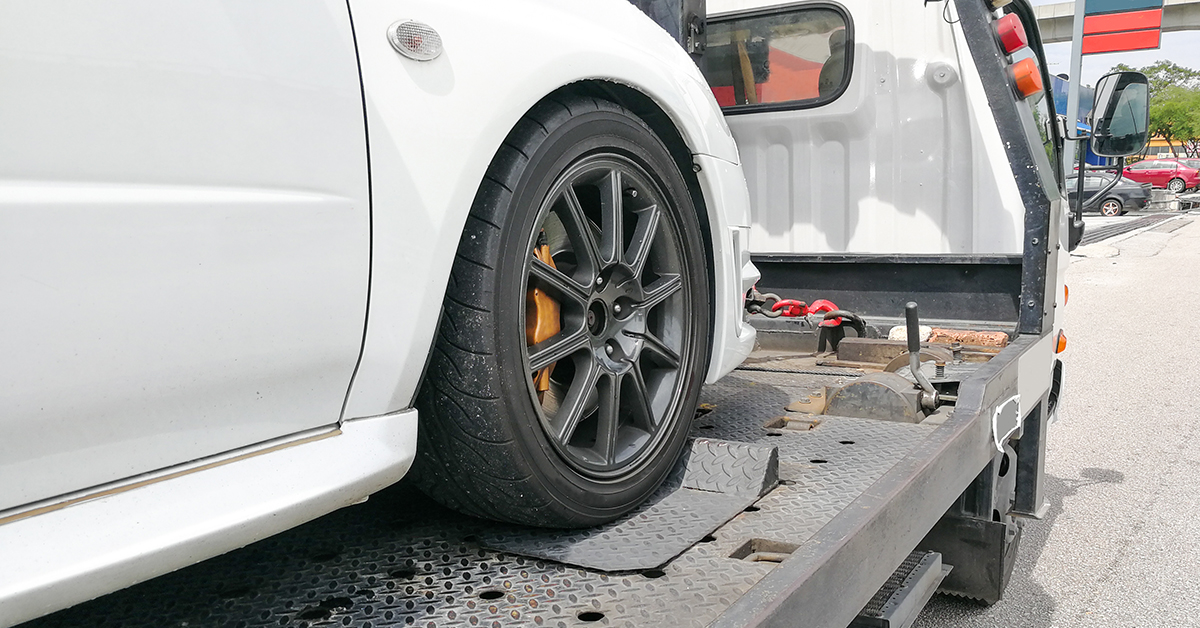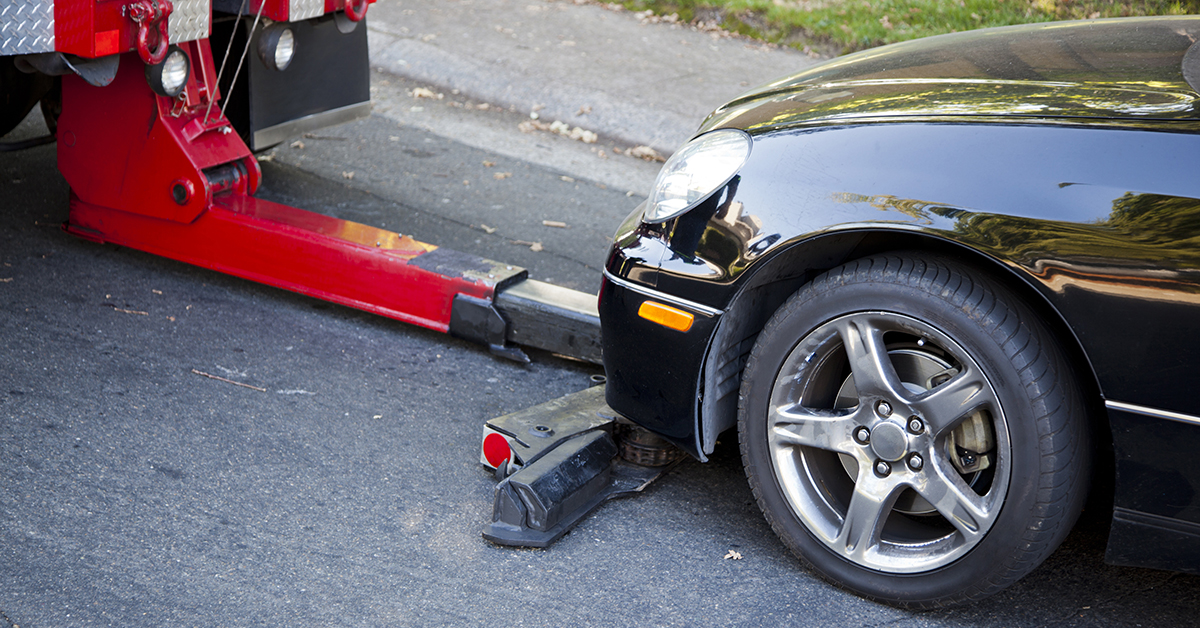
 While most repossessions are initiated by the lender, sometimes it’s the borrower that decides to voluntarily surrender his or her vehicle. Whether or not, after a repossession it’s important for the borrower to understand his or her financial responsibility to satisfy the loan once the lender has taken possession of the vehicle.
Surrendering Your Vehicle
The choice to voluntarily surrender your vehicle is not easy decision. Borrowers understand that the lender has the right to repossess the vehicle if they  can’t meet the terms agreed upon in their auto loan agreement.
After payments are missed or late, the lender could come to take the vehicle at any time of day or night. Repossessions are stressful and usually occur at the most inopportune times.
Often, borrowers faced with the possibility of repossession may choose to voluntarily give their car back. A voluntary repossession allows the borrower to have some control and address financial troubles in a less stressful manner, and without the shock of finding the car missing.
Ten Advantages of a Voluntary Repossession:
1. Arranged return of the vehicle – date, time and location
2. Removal of all personal belongings from the vehicle
3. Removal of all important documents from the vehicle
4. Removal of the license place
5. Photograph the condition of the vehicle – interior & exterior
6. Take odometer reading to know precise mileage on the vehicle
7. Contact auto insurance carrier to inform of the voluntary repossession
8. Deliver the vehicle and keys to a convenient location
9. May not have to pay a repossession fee
10. May not have to pay storage fee
Voluntary Repossession Will Not Cancel Your Loan
A voluntary repossession does not dismiss the responsibility that the borrower has to satisfy the loan. The financial obligation and collection process from a voluntary repossession are the same as a regular repossession.
 First, after taking back the vehicle, the lender will send a repossession notice, or Notice of Intent to Sell Property, to the borrower. This letter states the location of the vehicle, terms to get the vehicle back, where to retrieve personal property, and where and when the vehicle will be sold.
Second, once the vehicle has been sold, the borrower will receive a letter called a Deficiency Notice. This notice informs the borrower of the selling price of their vehicle and shows the calculation of any remaining balance owed on to satisfy the loan.
Collection of the deficient balance may be handled by the lender’s collection department, or the lender may assign this task to a third-party collector. If the collector is unsuccessful in collecting the balance, the lender may choose to file a lawsuit against the borrower to collect this balance.
Repossession and Your Credit Report

Both voluntary surrender and lender-initiated repossession carry negative weight on a credit report. It’s not just the repossession that is listed on credit reports, but also, the missed or late payments that may have led to the repossession in the first place.
These negative listings can remain on your credit report for up to seven and one-half years, jeopardizing the ability to obtain another auto loan, or one with favorable credit terms. In addition, repossessions could have other negative consequences such as creditors raising interest rates, the reduction of credit limits, or an overall drop in credit scores.
Seek Legal Help After Repossession
 Flitter Milz is a nationally recognized consumer protection law firm that pursues matters against banks, credit unions and financial institutions for the wrongful repossession of cars, truck, motorcycles, RVs and boats. Contact Us for a no cost legal evaluation to determine whether your consumer rights have been violated. Pictured: Cary Flitter (center), Andy Milz (left), Jody López-Jacobs (right)
 The hard facts about Repossession.
 When the borrower
  Whether or not the borrower defaulted on the terms of the auto loan, State and Federal laws govern how lenders and repo agents are to
  Send Effective Disputes
 Being asked to co-sign a loan for a family member or close friend is a larger responsibility than most people realize. When you co-sign a loan, such as an auto loan, you and your credit are on the hook if that relative or friend decides to stop making payments on the loan. In other words, by co-signing, you are a co-borrower and must accept responsibility of terms stated in the loan agreement.
 Once the vehicle is sold, the lender may assign collection of the deficient balance to a debt collector or law firm collector. If the loan balance is not paid, the lender could choose to
  Co-signing a loan should not be taken casually. The co-signer must consider whether or not credit may be needed for him or herself. If a co-signer has too much
  individual the money for the purchase. In other words, you lend the individual the money and they pay you back in installments over time, or whatever agreement the two of you come up with.
 Crafting a household budget is not only necessary to help evaluate spending patterns and measure income versus expenditures, but it also helps to ensure a secure financial future.
 1. Obtain Current Credit Reports
 If you know how much money is coming in versus going out each month, it becomes less likely that you’ll overspend to the point where payments are skipped or missed. Create the budget that you can stick to with a payment schedule that you can meet. When you stay in charge of your finances, you decide when it’s time to make a new purchase, whether it be for a home, education, a new vehicle, or another personal expense.
 Flitter Milz is a nationally recognized consumer protection law firm that represents victims with consumer credit problems, such as credit reporting accuracy and privacy issues, abusive debt collection tactics, wrongful vehicle repossession, which stem from over-spending. If you have errors on your credit reports, have received contact from debt collectors, or your auto lender has repossessed your vehicle,
 If your lender did not give you the required post-repossession notices containing the information described above, you might have a consumer protection claim against your lender. Your right to receive these post-repossession notices apply even if you were in default on the car loan. If you feel that your lender failed to give you the information required in these post-repossession notices, contact Flitter Milz for a no cost legal evaluation to determine whether your consumer rights have been violated.