
Understanding Consumer Law

How to Use this Resource

We hope the articles below help you understand your rights as a consumer. You can scroll through the titles, or sort by Practice Area or Topic. You can also use the search feature to locate information by keyword.

Flitter Milz represents people with a variety of problems involving consumer credit and collections. If you have a particular question or believe your consumer rights have been violated, Contact Us for a no cost consultation.

Understanding Vehicle Repossession and the Impact on Credit

The hard facts about Repossession.

We all understand that when you borrow money, you need to pay it back. And if you take out an auto loan, whether it’s with a bank, credit union or other financial institution, if payments are late or missed, the lender has the right to repossess the vehicle.

Signing a loan agreement means that you agree to the terms to repay the money borrowed, plus any interest and fees, within a scheduled period of time. Opting to finance a vehicle is an important decision and carries significant responsibility and financial discipline.

Short Term v. Long Term Effects of Repossession

When the borrower defaults on an auto loan there are serious consequences. Immediately, daily life becomes upset without use of the car.  Getting to work or handling routine daily chores, such as food shopping, taking children to school, or attending doctor’s appointments, may present difficulties for the household.

But more important is the long-term consequence. Repossessions can remain on credit reports for seven-and-one-half years, beginning from the date that the account first became delinquent.  And, as long as the repossession stays on your report, it can seriously damage credit and impact the calculation of credit scores. Also, negative listings on credit reports may make it more difficult to secure new loans, and existing creditors could alter credit terms by lowering credit limits or increasing interest rates.

Factors that can Damage Credit

  • Late payments – every month a payment is missed a negative mark appears on the account’s payment history.
  • Defaults – Loan defaults carry negative weight.   i.e. charge-off or repossession.
  • Collections – Collection accounts appear as negative listings on credit reports.
  • Court Judgments – Unsuccessful collection attempts, lead to lawsuits against the borrower to obtain a judgment.

Factors Contributing to the Calculation of a Credit Score

  • Payment History – Timely payments made to an account
  • Credit Utilization – The ratio of available to used credit
  • Age of Credit – The length of time an account has been open
  • Types of Accounts – A consumer’s credit mix: mortgage, credit cards, loans, etc.
  • Application history – The number of credit applications submitted within a specific period

Legal Protections from a Wrongful Repossessions

Whether or not the borrower defaulted on the terms of the auto loan, State and Federal laws govern how lenders and repo agents are to handle repossessions properly– at the scene and afterwards. When the borrower’s consumer rights are violated, a case could be pursued against the lender, repo agent or both. Repo agents may not threaten the borrower or use physical force.  In the course of repossession, the borrower’s vehicle or property is not to be damaged.  If police are called to the scene, their job is to keep the peace, not assist with the repossession.  If personal items have been left in the repossessed vehicle, the repo agent must permit the borrower to retrieve those items.

AFTER the Repossession

Following the repossession the lender has responsibilities to the borrower.  They must provide notices that inform the borrower with steps to retrieve the vehicle and their personal property.  Once the vehicle is sold, the lender must inform the borrower of the selling price and present a calculation of any remaining balance owed to satisfy the loan.

Manage Auto Loan Payments and Credit Reporting

Monitor Credit Reports for Errors
Over the course of the auto loan, borrowers should monitor their Transunion, Experian and Equifax credit reports for accurate reporting. If incorrect information is listed, such as a late payment history, a dispute letter should be sent to the lender and the credit bureau to request correction on the report.  

Send Effective Disputes
Disputes letters must include documents that show the error, such as cancelled checks, account statements, correspondence with the lender, etc. Also, the dispute must clearly state the requested action,  an update, correction or removal of the information.

Keep Accurate Payment Records

As important as it is to make payments in full and on time, we can’t always rely on the lender to keep an accurate record of payments.  Sometimes mistakes are made. Incorrect payment amounts could be applied to the borrower’s account, or the payment could be applied to someone else’s account.  Borrowers that manage and keep accurate payment records have good documents to support disputes made to the lender and/or credit bureau.

Seek advice from a Qualified Repossession Lawyers

Flitter Milz is a nationally recognized consumer protection law firm that represents consumers in matters of wrongful repossessions and credit reporting accuracy and privacy disputes. When errors remain on credit reports after a dispute, Contact Us for a no cost legal review to determine whether your consumer rights have been violated.  Pictured: Cary Flitter (center), Andy Milz (left), Jody López-Jacobs (right).

Dangers of Co-Signing an Auto Loan

Being asked to co-sign a loan for a family member or close friend is a larger responsibility than most people realize.  When you co-sign a loan, such as an auto loan, you and your credit are on the hook if that relative or friend decides to stop making payments on the loan.  In other words, by co-signing, you are a co-borrower and must accept responsibility of terms stated in the loan agreement.

Risks of Co-Signing

There are inherent risks associated with co-signing an auto loan for someone else. Usually, when someone approaches a relative or friend about co-signing a loan for the purchase of a vehicle, it is because that individual, or co-borrower, does not have good enough credit to qualify for the loan on his or her own.

When you agree to co-sign an auto loan, if anything goes wrong, you will be subject to the terms of the loan and responsible to satisfy any balance owed.

The vehicle could be repossessed.
If the co-borrower does misses payments on the auto loan and the vehicle is repossessed, the lender will approach the co-signer to furnish past due payments, or possibly request payment of the entire loan balance.  If the co-signer can not meet the terms, the vehicle would be sold at an auction or private sale.  Afterwards, the lender will seek payment of any deficient balance owed to satisfy the loan.

Additionally, when proper insurance is not maintained on the vehicle, the co-borrower may be in breach of the auto loan agreement. This type of breach could pave the way for the lender to repossess the vehicle, causing additional harm to the both co-borrowers credit reports and credit scores.

You Could Be Sued.

Once the vehicle is sold, the lender may assign collection of the deficient balance to a debt collector or law firm collector.  If the loan balance is not paid, the lender could choose to sue the co-borrowers to recoup funds owed on the outstanding balance.


The Occurrance of Unexpected Life Events
Equally important, the loan agreement may state terms  if unexpected life events were to occur.  In these situations, the lender may look to the co-signer to fulfill the terms of the outstanding auto loan agreement. Be sure to read the loan agreement carefully and understand your obligation.

      • Divorce
      • Loss of employment
      • Filing for bankruptcy
      • Death of Co-Borrower

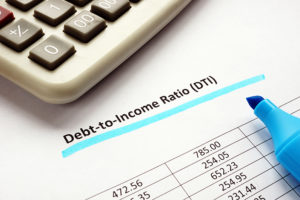
Impact on your Credit — Understand your Debt-to-Income Ratio.
Co-signing a loan should not be taken casually. The co-signer must consider whether or not credit may be needed for him or herself.  If a co-signer has too much debt in relation to income, he or she may be viewed as a high risk for a new loan. The lender may either decline the new loan application or offer unfavorable credit terms.


Offer Help in Other Ways 


If you truly desire to help out a family member or friend who may simply be unable to secure a loan on his or her own, perhaps you can consider privately loaning the individual the money for the purchase. In other words, you lend the individual the money and they pay you back in installments over time, or whatever agreement the two of you come up with.



Of course, if the loan is for a larger purchase, such as an automobile, you should make sure the friend or relative would be able to pay you back. Whenever you loan money, it’s advisable to get your agreement in writing and indicate the amount borrowed and terms for repayment.

Seek Legal Help

Flitter Milz is a nationally recognized consumer protection law firm that represents individuals in matters against auto lenders, as well as debt collectors and credit bureaus.  CONTACT US for a no cost legal evaluation to determine whether your consumer rights have been violated.


Are You the Victim of a Wrongful Auto Repossession?

Auto repossessionWrongful Auto Repossessions

Auto Repossessions never occur at a convenient time. Without warning, the repo agent may come to take your vehicle. You may be at home, work, out shopping, or visiting family or friends. Even if you anticipated the auto repossession, losing your transportation is frightening.

When a borrower falls behind on payments or defaults on the terms of an auto loan, the lender has the right to repossess the vehicle. The lender is not required to notify the borrower in advance of the auto repossession but will hire a third party, such as a towing company or repossession agency, to locate the vehicle and handle the auto repossession. Before taking the vehicle, the repo agent is to inform the local police department of the auto repossession order.

Repossessions must be handled lawfully
Often, encounters between the repo man and the borrower are tense. Although the lender may have the right to take back the property, the repo agent must handle the auto repossession in a lawful manner. If the repo agent uses abusive tactics while taking the vehicle, the borrower may be able to file suit.

Repo agents must not:

  • Threaten the borrower
  • Use physical force against the borrower
  • Access locked or fenced-in areas without permission
  • Damage the borrower’s personal property or vehicle

The lender may be responsible for the actions of an errant repo agent, whether the borrower missed payments or defaulted on the terms of the auto loan.

Police Involvement

The police may be called to the scene to diffuse a volatile confrontation between the repo agent and the borrower. But there are limits to what the police can do.

Auto repossession

-Police may not facilitate or assist the repo agent in the process of an auto repossession.

-They may not threaten arrest or
command the borrower to “hand over the keys” or “step aside” while the repo agent hooks up the vehicle to take it away.

Keeping the Peace or Breaching the Peace
Police may have crossed the line from keeping the peace to breaching the peace when they assist in the repossession of a vehicle. The borrower’s constitutional rights may be violated when the police become involved. These situations may provide grounds for a lawsuit to be filed against the police department, and possibly the repo agent and the lender.

Seek Legal Help from a Qualified Consumer Lawyer

Flitter Milz is a nationally recognized consumer protection law firm experienced in auto repossession law and the pursuit of cases against banks, credit unions, or financial institutions that violated the consumer’s rights.
Contact Us for a no-cost legal consultation.


Can I Be Sued for Not Paying My Car Loan?

Loan Lawsuit with car repossession

The continuing rise in auto loan debt is placing many consumers in a financially vulnerable position, particularly during the current economic downturn. What if you are unable to pay your car loan? Can this lead to a lawsuit? Knowing the process of repossession can both lessen your stress and help you decide the best course of action.

Continue reading Can I Be Sued for Not Paying My Car Loan?

What Can I do if my Car was Illegally Repossessed?

Car Repossession

Illegal or wrongful car repossession typically means that your lender or the repo agent didn’t follow the proper procedures for repossession your vehicle.  Learning about the rights and wrongs of vehicle repossessions can help you determine whether your car was illegally repossessed.  Both the repo agent and the lender must follow the rules.  Whether or not you missed payments, borrowers have rights against the lender and repo agent when a car, truck, motorcycle, boat or RV is repossessed.

Continue reading What Can I do if my Car was Illegally Repossessed?

Can the Police Help with My Car Repossession?

Car Being Towed Repossessed

Borrowers facing repossession may contact the police to have an officer on hand when it’s time to surrender their vehicle. As well, the repo agent may request the presence of law enforcement. But can police assist with the car repossession?

Read on to learn more about the role of law enforcement in the process of repossessing a car, truck, motorcycle, RV or boat.

Continue reading Can the Police Help with My Car Repossession?

How Long Does it take for a Repossession to come off your Credit Report?

Low Credit Score from Car Repossession

It’s not enough stress to have your car repossessed, but the consequences  —  collection contact and negative credit reporting  —  can be too much to bear.

Car repossessions carry negative weight to a credit report for 7 ½ years from the date it was first reported as late by the lender.  Credit scores may drop and your ability to get new credit, and credit with favorable terms, may diminish.

In this blog, we’d like to take a closer look at how long a repossession remains on your credit report and what you can do to correct credit reporting errors.

Continue reading How Long Does it take for a Repossession to come off your Credit Report?

Will My Car Be Repossessed If I Miss One Payment?

Woman making a car payment

It’s a frightening thought: Money has gotten so tight that you weren’t able to make this month’s payment on your car loan.

Now, you’re worried about car repossession, and imagining the day when a tow truck comes to your house and hauls away your only source of transportation.

But can the lender repossess your car after a single missed payment?

Continue reading Will My Car Be Repossessed If I Miss One Payment?

Car Repossessed? Now Getting Sued by My Auto Lender

Lawsuit with car repossession

Perhaps the worst thing about having your car repossessed is that even after your vehicle is gone, your lender may not be done with you.

In some cases, lenders may file lawsuits against borrowers to recoup what they’re owed. In this blog post, we’ll look at what’s involved with being sued after a  car repossession.

Continue reading Car Repossessed? Now Getting Sued by My Auto Lender

What Are the Laws Governing Motorcycle Repossession?

Motorcycle on the road

When banks record an increase in credit losses and delinquencies, often there is an uptick in repossessions.  These indicators not only reflect repossessions of cars and trucks, but also pleasure vehicles, such as RVs, boats and motorcycles.

Fortunately for consumers, the laws that protect victims of car and truck repossessions, also apply to motorcycles, RVs and boats.

If you’ve fallen behind on your loan payments and are worried that your motorcycle, or other vehicle, is in danger of repossession, here’s what you need to know.

Continue reading What Are the Laws Governing Motorcycle Repossession?