
 Repossessing a Vehicle
Unexpected life events, such as a job loos, divorce, illness, or death in the family, may have sever impact on meeting financial obligations. When a vehicle is financed through a bank or credit union, the lender has the right to repossess the car if the borrower has defaulted on the terms of the loan agreement. For example, if you don’t make timely payments or if insurance lapses, the lender can repossess the car. The lender is not required to notify the borrower in advance of the repossession.

Usually, the lender will arrange for a repossession agent to locate the car and seize it. The repossession truck could come to your home, place of employment, or even a shopping center or restaurant where the car is parked. When seizing a vehicle, the repo agent may not “breach the peace”. This means they can not use physical force, threaten force, or remove your car from a secured area without your permission.
How can I get my car back?
 The lender will send a written Notice of Repossession, to the consumer AFTER the vehicle has been taken. This letter, sometimes called a Notice of Intent to Sell Property, will indicate terms to retrieve the vehicle within a specific period of time. If the borrower is not able to meet those terms, the lender will arrange to sell the vehicle at an auction or private sale. Once the car is sold, the lender will send a second letter, called a Deficiency Notice, to the consumer. This letter will detail the selling price of the car, any repossession and storage fees, and the total balance owed to satisfy the loan.
Do I have rights even though I defaulted on my loan?
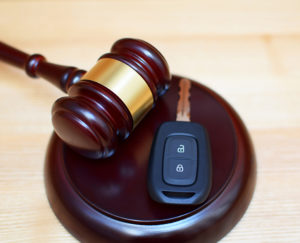 If your car, truck, motorcycle, boat, or RV has been repossessed, a qualified consumer protection attorney can evaluate whether your rights have been violated. It will be important for you to provide a copy of your signed Retail Installment Sales Contract or loan agreement, along with any repossession correspondence from the lender to the attorney.
My loan agreement is in my car? How can I get a copy?
Consumers will often keep their loan agreement in their car, which presents a problem if the vehicle is repossessed. In that situation, there are three ways to obtain a copy of the loan agreement.
1. Contact the lender: Write, call, email, or visit a local branch.
For example: If you had a loan with Peoples Security Bank & Trust and lived near their Scranton, PA branch, you could contact the bank office directly to request a complete copy of your loan agreement. You may need to get the bank’s contact information from a car loan statement, phone book listing, or by searching online. You will find their address, branch phone number, and email address.
Once you reach a bank representative in the repossession department, request they provide you with a complete copy of your loan agreement..
2. Visit the repo lot and obtain all of your personal belongings.
3. Contact the car dealership where the vehicle was purchased. The dealership often keeps copies of all loan agreements. You could visit the dealership to obtain a copy, or the dealership may be able to send a copy by fax, email, or through the US Mail.
Remember, when requesting a copy of your loan agreement, be sure to obtain a complete copy, front and back, and make certain that the copy is legible.
Seek Legal Help
 Whether you fell behind on payments or not, borrowers have legal rights when the lender or repo agent has wrongfully repossessed the vehicle. Flitter Milz is a nationally recognized consumer protection law firm that represents consumers who have had a vehicle wrongfully repossessed. Contact Us for a no cost legal review.
 If you’re
  First and foremost, if there’s a chance that your vehicle will be repossessed, you should take the following actions in preparation:
 Many consumers who anticipate a repossession wonder if the consequences will be less negative if they voluntarily surrender the vehicle to the lender. The only significant difference between the two is the way they appear on your credit report; a voluntary surrender will be listed as such, but the negative effect will be about the same as a repossession. It’s possible, however, that the lender will be more willing to enter a loan agreement with you in the future if you voluntarily surrender the vehicle.
 If you are having difficulty making payments, contact your lender as soon as possible. You may be able to avoid repossession by
  Whether you have fallen behind on your car payments or not, there are legal protections for borrowers from lenders and repo agents that wrongfully repossess vehicles.
  Just when you think you’re getting your finances in order and want to apply for a new line of credit, a
  Flitter Milz is a consumer protection law firm that pursues matters against the credit bureaus for inaccurately reporting information.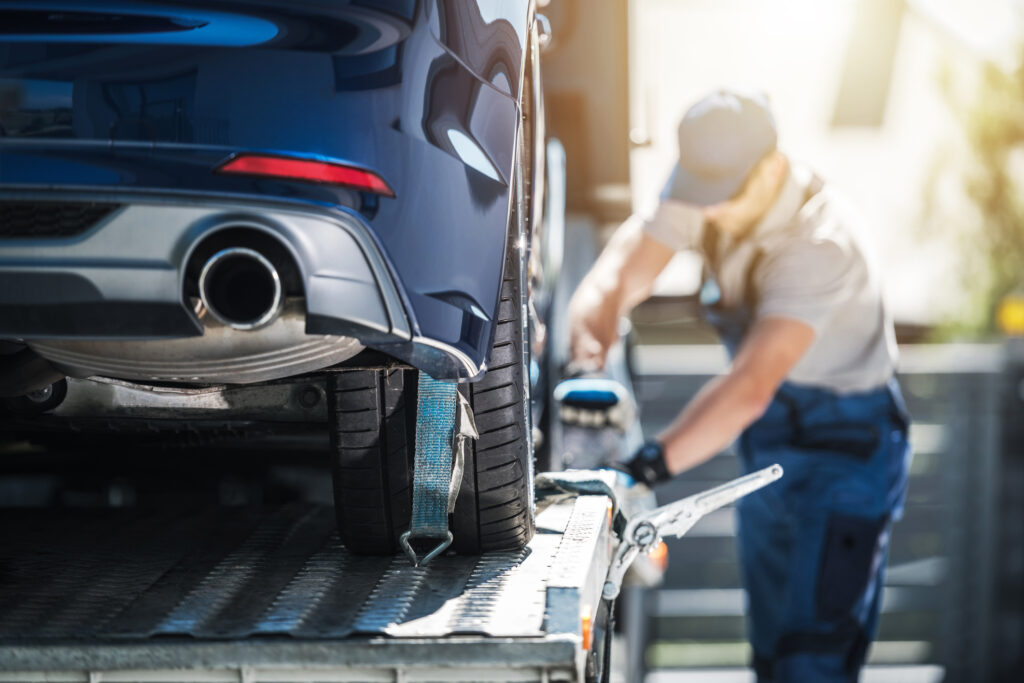
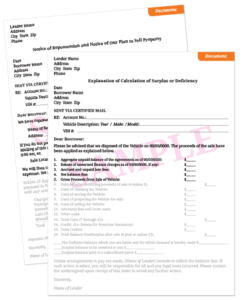 After the repossession, the lender is required to provide certain notices to the consumer. First, a
  You leave your house in the morning and to drive to work. Suddenly, you realize that your car is no longer in the parking lot.
 In most states,
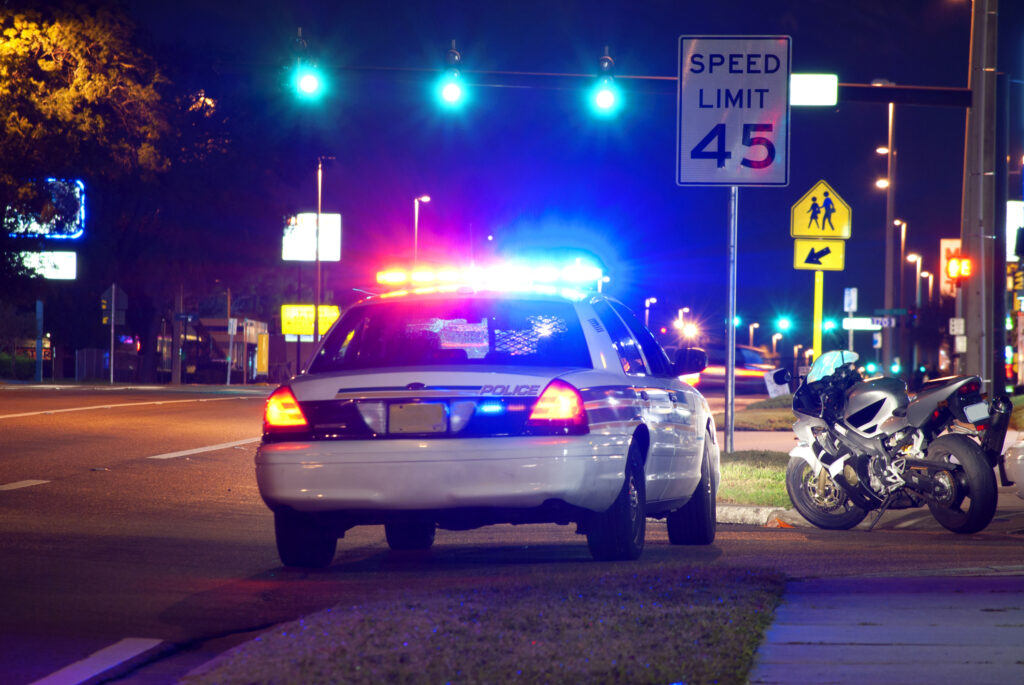
 The police are there to help keep the peace. If the situation becomes volatile, they should assist in diffusing the confrontation between the repo agent and the borrower.
 The police should not assist or enable the repossession.
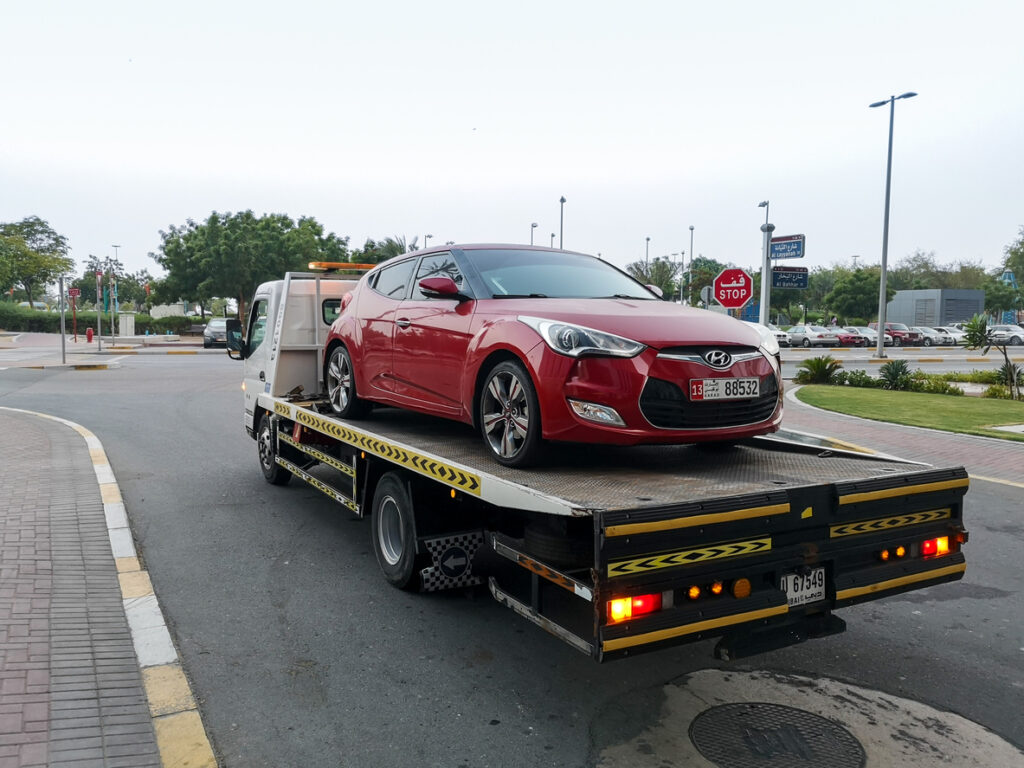 Whether you are behind on payments or not, the lender must follow a
 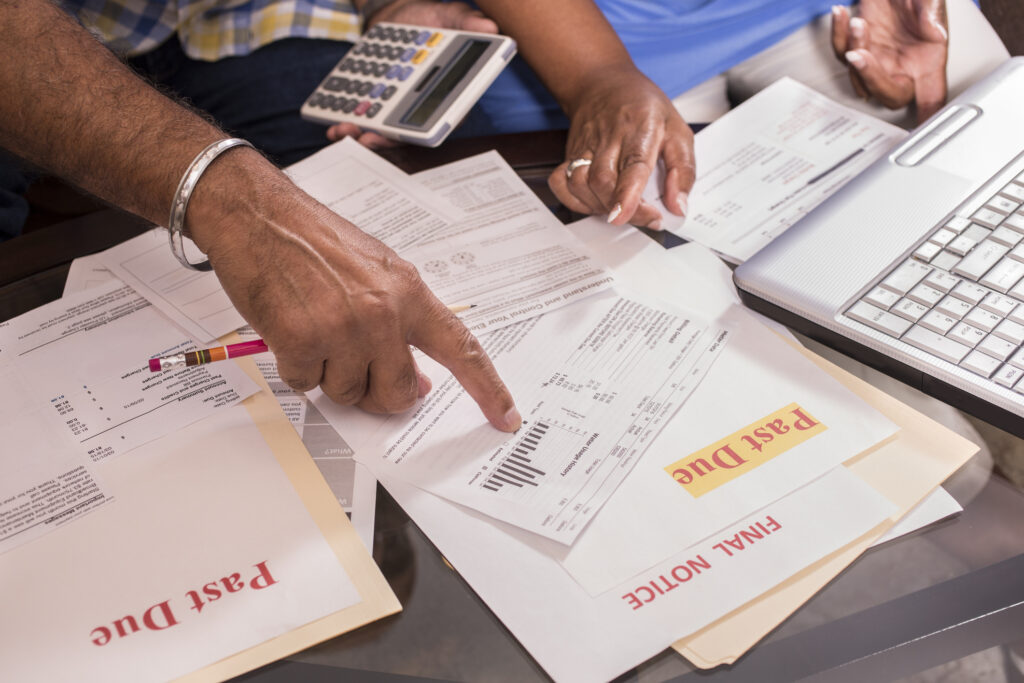 An unexpected occurrence like illness or loss of employment can leave you struggling to pay bills on time. If you are unable to pay your car loan on time, the lender may choose to repossess your vehicle.
  Any number of life situations may impact your ability to keep up with car payments. Hours may have been reduced at work. A family member may be seriously ill. You may be going through a divorce. If you believe your vehicle may be at risk of repossession, follow these six simple steps.
 Co-signers lend their names and good credit histories to the primary borrower, usually when the other borrower cannot obtain credit on his or her own. For example, a parent may co-sign for a child who does not yet have a credit history. Or, someone may be asked to co-sign by a friend or relative whose credit is tarnished, has negative marks in their credit history, or a low
  Flitter Milz is a nationally recognized consumer protection law firm representing people in matters against lenders, debt collectors and the credit bureaus. Whether you or the co-borrower has fallen behind on payments or not,