
Understanding Consumer Law

How to Use this Resource

We hope the articles below help you understand your rights as a consumer. You can scroll through the titles, or sort by Practice Area or Topic. You can also use the search feature to locate information by keyword.

Flitter Milz represents people with a variety of problems involving consumer credit and collections. If you have a particular question or believe your consumer rights have been violated, Contact Us for a no cost consultation.

How long can a debt collector pursue an old debt?

Are you getting calls or collection letters about an old debt from years ago? Perhaps you forgot about it, or you simply did not have the money to pay for it at the time.  But now, debt collectors are calling and sending you letters, demanding that you pay up.  You may be asking yourself: What are my rights? Is it legal for the debt collector to demand payment of this old obligation?

Debt Collectors must follow the Law.

In Pennsylvania, New Jersey, and many other states, debt collectors can lawfully attempt to collect a debt no matter how old the debt is. However, federal law prohibits debt collectors from making any false, deceptive, or misleading statements in connection with the collection of any debt. This means that they cannot threaten to sue you when the debt is too old and beyond the legal time period allowable to file a lawsuit.

For example, in Pennsylvania the statute of limitations on a debt is four years from the date of default or the date of last payment. But sometimes debt collectors make misleading statements in their collection letters which suggest or imply that they have the right to sue or offer to “settle” the debt. This type of misleading statement violates the Fair Debt Collection Practices Act. When a collector violates the law, the consumer may pursue a lawsuit against the collector, and the collector will be responsible for the consumer’s legal fees.

Attempts to Collect Old Debt


Even though a debt collector can still make attempts to collect on old debts for which you cannot be sued, you should think twice before volunteering a payment. First, the amount might not be accurate, meaning that you end up paying more than what was required. Additionally, if you make a payment on an old debt, you run the risk of reviving the statute of limitations on the debt, making it possible for the creditor to sue you for the debt when it previously had no lawful basis to do so.

You’ve been sued?  Do not ignore the lawsuit.


Sometimes, the first time someone learns about a debt is through a lawsuit filed against them.  If you have been sued on a debt, it is very important that you obtain legal counsel.  Do not ignore the summons. Instead, you should seek out legal counsel.

Are debts listed incorrectly on your credit reports?

Debts are often reported to the credit bureaus, and then listed on credit reports. These debts must be accurately listed in all respects.  You can dispute any errors that appear on your credit report with respect to a debt, such as an inflated balance or an incomplete payment history.

How to dispute errors with the credit bureaus
When you submit a dispute to the credit bureaus, we recommend that you send the dispute by U.S. Mail, Certified Return Receipt, so that you have a good paper trail of your dispute.  For this reason, we recommend that you do not call the credit bureaus to dispute.  Also, do not submit disputes online. In an online dispute, you run the risk of losing important consumer rights buried in the fine print of the terms and conditions.

Also, when disputing, make sure to explain in detail the error pertaining to the debt.  Gather all supporting documents that illustrate the error and provide it to the credit bureau along with your written dispute.  The credit bureau then has 30 days to either fix the inaccuracy or delete the portion of the credit report that you disputed.

What does Charged-Off Debt mean?
There are limits on how long a debt may appear on your credit report.  Debts that have been “charged off” must be removed from your credit report 7 years and 180 days after the date of the charge off.  If such an old debt appears on your credit report, you can dispute this with the credit bureaus to have it removed.

Get Help from a Qualified Consumer Protection Law Firm


Flitter Milz is a nationally recognized consumer protection law firm experienced in representing consumers who have suffered from abusive debt collection practices and credit reporting errors.  Contact Us for a free consultation and find out how we can help.

Pictured:  Cary Flitter (center), Andy Milz (left), Jody Lopez-Jacobs (right)

My Car Was Repossessed. What do I need to know?

Woman stressed over car reposession

A vehicle repossession can often come as a surprise.  In many states, including Pennsylvania, the lender is not required to tell you in advance that it will repossess your vehicle.  Often, your lender will attempt to repossess your vehicle in the middle of the night, when no one is around to stop it. The lender’s repo company will then take the vehicle either to a storage lot or an auction.  But how do you know where they took it, and how do you get it back?

Notice of Repossession is Required

After a vehicle repossession, the law requires the lender to send the borrower a specific notice, addressed to the last known address of the borrower.  This repossession notice—also known as the Notice of Intended Disposition or Notice of Right to Redeem—must be mailed immediately or shortly after the repossession. That notice is important because it is required to contain specific information informing you exactly where the car is, how much it will cost for you to get it back, and how much time you have to do so.  If you do not “redeem” (pay the lender to get the car back) the car will then be sold, and the lender will apply the sale proceeds to your loan balance, which usually reduces but does not eliminate your loan balance.

How Much Do I Have to Pay to Get the Car Back?

In many states, including Pennsylvania, the only way to get your car back after a repossession is to pay the entire loan balance, not just past due payments.  For example, let’s say you missed one $300 payment, prompting the lender to repossess your vehicle.  You owe $10,000 on the loan.  To get the car back before the lender sells it, you have to pay the entire $10,000, plus reasonable repossession expenses.

How Much Time Do I Have to Get the Car Back?

You can get the car back at any time before the lender sells the vehicle, even if the vehicle was already taken to an auction.  In Pennsylvania, the lender is required to hold the car for 15 days before it can be sold. But even after the 15-day period, you have the right to get the car back so long as you can pay the entire loan balance and reasonable repossession expenses.  Other states might permit the lender to hold the car for a shorter time period, such as ten days.  But no matter what, you have the right to redeem until the vehicle is sold.

What Happens if I Can’t Pay to Get My Car Back?

Many people do not have enough money to pay the entire loan balance, and the lender will sell the vehicle at a private or public auction.  You have the right to be present at and oversee any public auction.  The lender—in the repossession notice—should have told you the date, time, and location of any public auction if they intend to sell it by public auction.

If the car is sold, then typically the lender will send you another notice explaining the amount you owe after the sale.  This notice—sometimes called an “Explanation of Deficiency,” must itemize specific information about how much you owe, including the principal balance, the sale proceeds, the repossession expenses, and the auction expenses.

Seek Legal Help to Enforce Your Consumer Rights

If your lender did not give you the required post-repossession notices containing the information described above, you might have a consumer protection claim against your lender.  Your right to receive these post-repossession notices apply even if you were in default on the car loan.  If you feel that your lender failed to give you the information required in these post-repossession notices, contact Flitter Milz for a no cost legal evaluation to determine whether your consumer rights have been violated.

Contact Button

Credit reporting and the CARES Act

Cares Act on Mask

These are challenging times that we live in.  Many people are forced to live on less income due to job loss, a death in the family, and involuntary pay cuts. Understandably, some people have fallen behind on their monthly payments, and are concerned about the negative impact on their credit reports.

Continue reading Credit reporting and the CARES Act

What if I never Got a Contract or my Notice of Right to Cancel?

Smiling fast talking salesman

These days, a lot of alarm systems, pest control services, or solar panel systems are sold by door-to-door salesmen who may knock on your door out of the blue.  They may talk fast, and confidently, offer you a deal that sounds too good to be true.  Often it is. 

Continue reading What if I never Got a Contract or my Notice of Right to Cancel?

Are You the Victim of a Wrongful Auto Repossession?

Auto repossessionWrongful Auto Repossessions

Auto Repossessions never occur at a convenient time. Without warning, the repo agent may come to take your vehicle. You may be at home, work, out shopping, or visiting family or friends. Even if you anticipated the auto repossession, losing your transportation is frightening.

When a borrower falls behind on payments or defaults on the terms of an auto loan, the lender has the right to repossess the vehicle. The lender is not required to notify the borrower in advance of the auto repossession but will hire a third party, such as a towing company or repossession agency, to locate the vehicle and handle the auto repossession. Before taking the vehicle, the repo agent is to inform the local police department of the auto repossession order.

Repossessions must be handled lawfully
Often, encounters between the repo man and the borrower are tense. Although the lender may have the right to take back the property, the repo agent must handle the auto repossession in a lawful manner. If the repo agent uses abusive tactics while taking the vehicle, the borrower may be able to file suit.

Repo agents must not:

  • Threaten the borrower
  • Use physical force against the borrower
  • Access locked or fenced-in areas without permission
  • Damage the borrower’s personal property or vehicle

The lender may be responsible for the actions of an errant repo agent, whether the borrower missed payments or defaulted on the terms of the auto loan.

Police Involvement

The police may be called to the scene to diffuse a volatile confrontation between the repo agent and the borrower. But there are limits to what the police can do.

Auto repossession

-Police may not facilitate or assist the repo agent in the process of an auto repossession.

-They may not threaten arrest or
command the borrower to “hand over the keys” or “step aside” while the repo agent hooks up the vehicle to take it away.

Keeping the Peace or Breaching the Peace
Police may have crossed the line from keeping the peace to breaching the peace when they assist in the repossession of a vehicle. The borrower’s constitutional rights may be violated when the police become involved. These situations may provide grounds for a lawsuit to be filed against the police department, and possibly the repo agent and the lender.

Seek Legal Help from a Qualified Consumer Lawyer

Flitter Milz is a nationally recognized consumer protection law firm experienced in auto repossession law and the pursuit of cases against banks, credit unions, or financial institutions that violated the consumer’s rights.

Contact Us for a no-cost legal consultation.


Overwhelmed by debt? Bankruptcy may not be the answer.

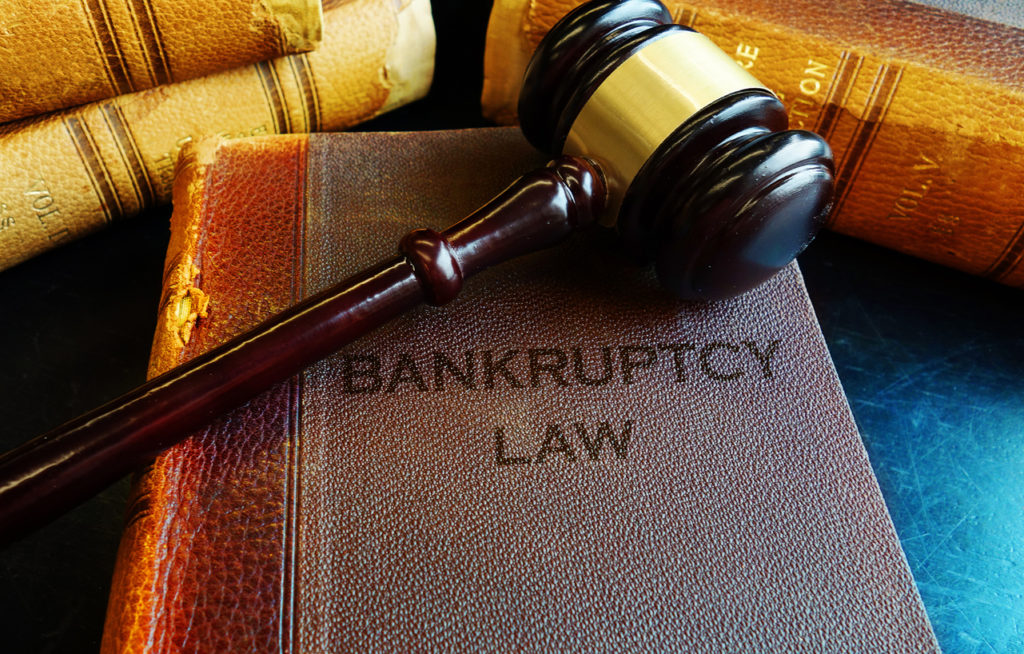
What Happens When I Declare Bankruptcy Consumers Law

Bankruptcy may be an opportunity for a fresh start, however, it is not without consequences. Often the ripples resonating from bankruptcy can affect your financial life for many years to come.

If you are overwhelmed with debt, you may want to consult with a consumer protection attorney.  The consumer protection laws provide protections from abusive collection tactics used by collection agencies and law firm collectors.

Continue reading Overwhelmed by debt? Bankruptcy may not be the answer.

Prioritizing Your Finances in an Economic Crisis

Consumers Law Prioritizing Your Finances in an Economic Crisis

Prioritizing your finances during an economic crisis is a crucial skill to master. Deciding what bills to pay, and what bills to set aside now becomes increasingly more important. This is something you will want to do as soon as possible, because the longer you wait, the more difficult it will be to get a firm grip on your finances.

Continue reading Prioritizing Your Finances in an Economic Crisis

Identity Theft During Economic Crises: Look for Credit Report Errors

Credit Score Consumers Law

You may think an identity theft hacker may not notice you. That’s not true. The ways identity thieves pick their targets are more about accessibility. They don’t care about your financial situation. Cybercriminals look for weak spots in personal financial security and privacy they can exploit for profit.  Too often, the way we find we’ve been financially hacked is when credit report errors are revealed. It’s never at a good time, either. Most often it occurs when we’re about to seek credit for a home mortgage, car or personal loan.

Continue reading Identity Theft During Economic Crises: Look for Credit Report Errors